

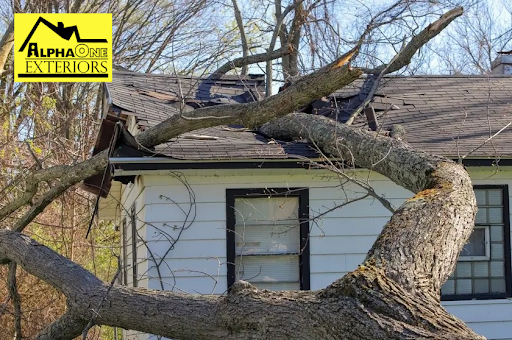
Severe weather is part of life in Southwest Ohio. From spring wind storms to summer hail and winter ice, homes in Dayton take a beating throughout the year. When damage happens, knowing what to expect and how the repair process works makes all the difference.
Below is a clear guide to residential storm damage repair in Dayton, based on what we see every season across Kettering, Centerville, Beavercreek, Oakwood, Springboro, Xenia, and Fairborn.
What Counts as Residential Storm Damage in Dayton Ohio?
Residential storm damage includes any sudden damage caused by wind, hail, heavy rain, falling debris, or ice.
In our area, that most often means:
- Missing or lifted shingles
- Hail bruising on asphalt shingles
- Bent or detached gutters
- Cracked or loose siding
- Water intrusion around flashing and vents
- Damage from fallen tree limbs
Storm damage is different from normal wear and tear. Insurance companies look for clear evidence that weather caused the issue, not age or lack of maintenance.
What Should I Do First After Storm Damage to My Home?
Ensure safety first, then document visible damage and schedule a professional inspection.
Here is the recommended order:
- Confirm everyone is safe.
- Check for active leaks inside the home.
- Take photos of visible exterior damage from the ground.
- Prevent further water entry if possible.
- Contact a local contractor for a full inspection.
Avoid climbing on the roof. Even experienced homeowners can misjudge storm weakened shingles or soft decking.
For a detailed step-by-step guide specific to Dayton-area homes, read our full article:
Storm Damage to Homes in Dayton, Ohio: What to Do Immediately
What Types of Storms Cause the Most Damage in Dayton?
Wind and hail cause the majority of residential storm damage in Dayton.
Each season brings different risks:
Spring Wind Storms
Strong straight line winds often exceed fifty miles per hour. These winds commonly:
- Lift and crease shingles
- Tear off ridge caps
- Pull gutters away from fascia boards
We frequently see wind damage on homes in open subdivisions where there is little tree protection.
Summer Hail Storms
Hail can bruise shingles and dent metal components. Damage is not always obvious from the ground. Even small hail can shorten the life of an asphalt roof.
Heavy Rain Events
Intense rainfall can expose weak flashing, clogged gutters, and poor drainage. In areas with clay soil, improper drainage can also lead to foundation concerns.
Winter Ice and Freeze Thaw Cycles
Water seeps into small cracks, freezes, expands, and worsens minor issues. Freeze thaw cycles in Dayton often turn small flashing gaps into active leaks by late winter.
How Is Storm Damage Identified During an Inspection?
A professional inspection looks for both visible and hidden damage.
During a typical evaluation, we examine:
- Shingle condition and sealing
- Soft metal components for hail impact
- Flashing around chimneys and valleys
- Gutter alignment and attachment points
- Siding cracks or loose panels
- Attic signs of moisture intrusion
In Ohio, hail often leaves subtle circular impact marks that require close inspection. Wind damage may show as creased shingles that look intact but have lost structural integrity.
Proper documentation with photos is critical, especially if insurance involvement is likely.
Does Homeowners Insurance Cover Storm Damage Repairs?
Most homeowners insurance policies cover sudden storm related damage caused by wind or hail.
Coverage typically includes:
- Roof replacement or repair due to wind or hail
- Gutter and siding damage from storms
- Damage from fallen trees
Insurance usually does not cover:
- General aging of roofing materials
- Long term neglect
- Maintenance related issues
Every policy is different, but storm damage in Dayton is often a covered event when properly documented.
What Is the Storm Damage Repair Process From Start to Finish?
The repair process follows a clear series of steps.
1. Initial Inspection
A full exterior evaluation identifies storm related damage and documents findings.
2. Insurance Claim Assistance If Needed
If damage qualifies, the homeowner files a claim. The contractor may meet with the adjuster to review findings and ensure all storm related damage is addressed.
3. Scope of Work and Estimate
A detailed written estimate outlines materials, labor, and timelines.
4. Material Selection
Homeowners select shingle color, siding profile, gutter style, or paint options as needed.
5. Scheduling and Repairs
Work is scheduled based on material availability and weather conditions.
6. Final Inspection and Cleanup
The project is reviewed to ensure proper installation and full cleanup of debris.
Clear communication throughout this process prevents confusion and delays.
How Long Do Storm Damage Repairs Take in Dayton?
Minor repairs may take one day. Full roof replacements typically take one to two days for average sized homes.
Factors that influence timeline include:
- Extent of damage
- Material availability
- Weather conditions
- Size and pitch of the roof
In peak storm season, scheduling may take longer due to high demand. That is why early inspection is important.
Should I Repair or Replace My Roof After Storm Damage?
The answer depends on the extent of damage and the age of the roof.
Repair may be appropriate if:
- Damage is isolated to a small area
- The roof is relatively new
- Shingles are still widely available
Replacement is often recommended if:
- Damage is widespread
- The roof is near the end of its lifespan
- Multiple slopes are affected
In Dayton, many homes have asphalt shingles rated for twenty to thirty years. Severe hail can significantly reduce that lifespan.
Why Local Experience Matters for Storm Damage Repair
Dayton homes face specific climate challenges that contractors from outside the region may not fully understand.
Local considerations include:
- Ice dam risks during winter
- Heavy spring rainfall
- High humidity in summer
- Building code requirements in Montgomery and Greene Counties
Proper attic ventilation, flashing installation, and water management are especially important in our freeze and thaw environment.
Choosing a contractor familiar with these conditions helps ensure repairs last.
How Can I Avoid Storm Repair Scams After Severe Weather?
Be cautious of contractors who knock on your door immediately after a storm and pressure you to sign paperwork.
Look for companies that:
- Have a physical presence in the Dayton area
- Provide written documentation
- Offer clear explanations of damage
- Do not demand large upfront payments
Reputable contractors focus on education and transparency, not urgency tactics.
What Other Exterior Components May Need Attention After a Storm?
Storm damage rarely affects only one part of the home.
In many cases, we also evaluate:
- Siding for cracks or loose panels
- Gutters for separation or sagging
- Exterior paint for moisture related peeling
- Soffit and fascia for water damage
Comprehensive repair ensures the entire exterior system works together to protect your home.
Final Thoughts on Residential Storm Damage Repair in Dayton
Storm damage can feel overwhelming, but the repair process does not have to be complicated.
The most important steps are:
- Act quickly but safely
- Document damage
- Schedule a professional inspection
- Work with a trusted local contractor
Homes in Dayton and surrounding communities face repeated weather stress throughout the year. Proper storm repair is not just about fixing what is broken. It is about restoring full protection before the next round of severe weather arrives.
If your home has experienced wind, hail, or severe weather, AlphaOne Exteriors is available to provide a thorough inspection and clear guidance on your next steps. We live and work in this community and understand exactly how Ohio weather impacts residential exteriors. Reach out when you are ready for a professional evaluation or detailed estimate.
Frequently Asked Questions
As soon as it is safe after the storm. Early inspections help prevent secondary water damage.
Yes. Hail bruising can weaken shingles and reduce their lifespan significantly.
It depends on the extent of damage and policy terms. Widespread damage often qualifies for broader replacement
Hidden damage is common. Schedule an inspection immediately to prevent further interior issues.
It is helpful but not always required. A reputable contractor will provide documentation and review findings with you clearly.