
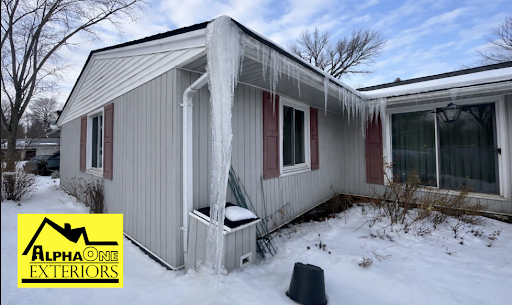
Ice dam and icicles forming along a roofline in Dayton, Ohio

Dayton Roofing Services

Ice Dam Removal & Roof Repair in Dayton, Ohio

Safe Ice Dam Removal to Protect Your Roof, Gutters & Home From Water Damage

  • Serving Dayton since 2012
  • Fully insured
  • AlphaOne Advantage Warranty
  • Free roof inspection
2012
Serving Dayton since
150+
Five-star Google reviews
4
Stages of formation
FREE
Roof inspection

The Mechanics

What Is An Ice Dam?

An ice dam is a ridge of ice that forms along the edge of your roof and blocks melting snow from draining off normally.

Once that ridge forms, water from the roof above has nowhere to go but backward — pooling behind the dam and working under the shingle course toward your attic and ceiling. It's one of the most common winter roof problems in Dayton, and one of the most misunderstood: most of the damage is caused by the trapped water, not by the ice itself. Heavy snow followed by a hard freeze is often what triggers a dam, the same conditions behind a lot of our winter storm damage calls. The sequence below shows exactly how a dam forms, stage by stage.

How Ice Dams Form

The Four Stages, From Attic To Leak

Ice dams don't start at the roof edge — they start in the attic. Here's the sequence, stage by stage.

HEAT ESCAPES INTO THE ATTIC SNOW MELTS ON THE UPPER ROOF REFREEZES AT THE COLD EAVE WATER BACKS UP UNDER SHINGLES

Heat escapes into the attic. Warm air rises from the living space below into a poorly sealed or under-insulated attic.

Snow melts on the upper roof. The deck above the heated attic runs warmer than the rest of the roof, so meltwater runs down the slope.

It refreezes at the cold eave. The eave overhangs unheated space and stays below freezing. Ice accumulates into a dam.

Water backs up under the shingles. Trapped meltwater finds its way beneath the shingle course and into the structure.

Root Causes

What Causes Ice Dams?

Ice dams are a heat-loss problem before they're an ice problem. Six conditions combine to create them.

  • 01 Poor attic insulation — heat escapes upward instead of staying in the living space
  • 02 Inadequate ventilation — the attic can't vent the heat that does escape
  • 03 Heat escaping into the attic — from can lights, bath fans, and unsealed penetrations
  • 04 Uneven roof temperatures — warm over the living space, cold at the unheated eaves
  • 05 Freeze-thaw cycling — meltwater refreezes overnight, building the dam layer by layer
  • 06 Heavy snow followed by a hard freeze — more snow means more meltwater once temperatures swing

Southwest Ohio's winters are built for this combination. Dayton doesn't get a single deep freeze that locks everything down for the season — it gets repeated swings above and below freezing, on roofs that range from tightly built new construction to older homes with decades-old insulation. That mix of freeze-thaw cycling, rapid temperature swings, heavy wet snow, older housing stock, and inconsistent attic performance is exactly what ice dams need.

Warning Signs

Signs You Have An Ice Dam

Some of these are obvious from the ground. Others only show up inside the house.

Icicles hanging along the eaves
A visible ridge of ice at the roof edge
Water stains on interior ceilings
Peeling paint near the ceiling line
Water dripping inside near exterior walls
Sagging gutters weighted down with ice
Ice building up on gutters and downspouts
A musty smell in upstairs rooms during winter
Snow melting unevenly across the roof

Why It Matters

Why Ice Dams Are Dangerous

The dam itself is rarely the real problem. The water it traps is.

Water backs up under shingles and into the roof deck
Soaked insulation loses its R-value exactly when you need it most
Ceiling and wall water stains from slow, hidden leaks
Paint and drywall damage that spreads before it's visible
Mold and mildew growth in wet insulation and framing
Gutters and downspouts torn loose under the ice load
Fascia and soffit damage from trapped moisture
Electrical hazards where wiring runs through wet framing

From The Field

What This Looks Like

Two examples from Dayton-area homes this winter.

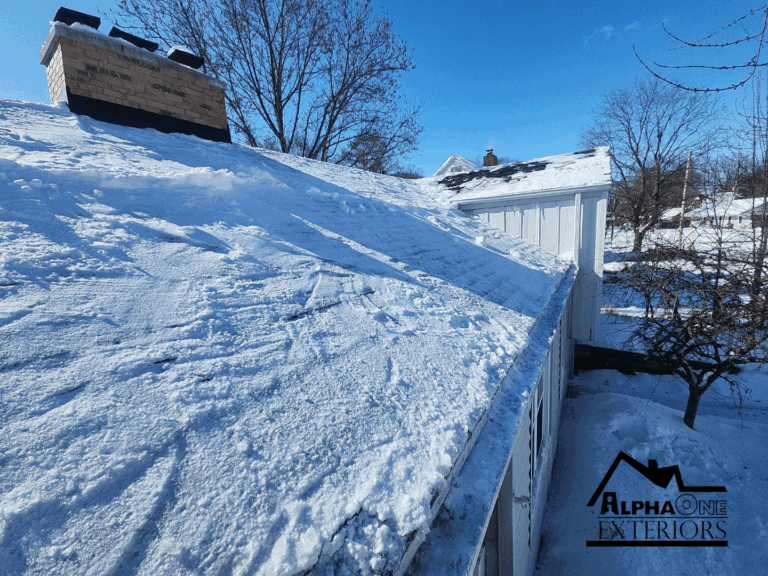
Snow Load Heavy snow load on a Dayton, Ohio roof, before any ice dam has formed

Heavy Snow Sets The Stage

No ice dam has formed on this roof yet — but this is exactly the kind of snow load that builds one. Once temperatures swing above freezing during the day and back below it at night, this snow becomes the meltwater an ice dam needs.
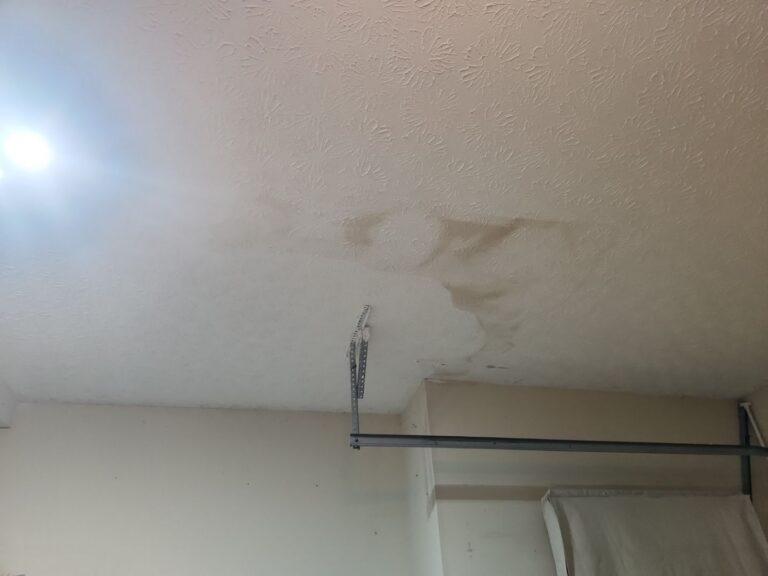
Interior Damage Interior water stain in a Brookville, Ohio home caused by ice dam backup

Where The Water Actually Ends Up

This is what an ice dam looks like once the water gets inside — a ceiling stain far from where the ice ever was. By the time it's visible, the water has usually been finding its way in for a while.

See our full roof inspection service

The Process

Our Ice Dam Removal Process

Seven steps, done in order, every time.

01
Roof and attic inspectionConfirm it's actually an ice dam and find where water is getting in.
02
Identify the sourceWhich roof facets are affected, and why.
03
Remove snow from the affected roof facetsThis cuts off the meltwater feeding the dam.
04
Place calcium chloride stockings across the damLaid vertically, one end over the gutter edge.
05
Protect landscaping belowRunoff from the melt can affect shrubs and plantings.
06
Let the channels open over the next few hoursNo chipping, no hammers, no pressure on the shingles.
07
Inspect shingles, flashing and guttersThen recommend the permanent fix.

The Method

How We Remove Ice Dams Safely

We clear snow from the affected roof facets first, then lay nylon stockings filled with calcium chloride ice melt vertically across the dam, one end draped over the gutter edge. Calcium chloride isn't rock salt — it's exothermic, generating its own heat on contact with water, and it keeps working in temperatures where rock salt stops. Because it's contained in a stocking rather than spread loose, it never touches your shingles or siding directly.

The stockings melt narrow drainage channels through the dam so trapped water can escape — they don't remove the whole dam in one pass. The ice itself isn't what damages your roof; the water trapped behind it is, so opening a path for that water to drain is what actually stops the damage. This takes hours, not minutes, and we say so up front rather than promising an instant fix.

DIY Warning

Why You Should Never Remove Ice Dams Yourself

This is a roof-access problem before it's a chemistry problem — and it's the same method insurers recommend.

01Slippery, ice-covered roofsA fall risk even for an experienced crew with the right gear.
02Ladders on frozen groundUnstable footing turns a routine setup into the most dangerous part of the job.
03Hammers and chiselsFrozen shingles are brittle. One bad swing turns an ice problem into a roof repair.
04Improper use of rock saltSodium chloride corrodes metal flashing and gutters and can damage shingles.
05Loose ice-melt granulesWithout a stocking to contain them, granules can stain siding and shingles.
06Electrical hazardsWet, icy conditions near roof-mounted wiring and fixtures.

The Real Choice

Removal vs Prevention

Removing an existing dam and preventing the next one are two different jobs. Most homes end up needing both.

Removal

Usually the right call first when

  • An ice dam has already formed and water is getting in now
  • You need the immediate problem stopped before the next storm
  • Snow and ice need to come off specific roof facets
Prevention

Worth investing in when

  • The same spots dam up every winter, storm after storm
  • Attic ventilation, insulation, or air sealing hasn't been addressed
  • You want this to be the last winter you deal with it

The Damage

Roof Damage Caused By Ice Dams

01Roof leaksTrapped water finds every gap in the shingle course, often requiring roof repair beyond the ice dam itself.
02Shingle damageProlonged saturation and freeze-thaw cycling degrades the shingles themselves.
03Damaged flashingWater works behind flashing at valleys, chimneys, and vent penetrations.
04Gutter damageIce weight tears gutters loose from the fascia, often needing gutter repair alongside the ice dam work.
05Fascia & soffit damageTrapped moisture rots wood components at the roofline.
06Interior water damageCeiling stains, soaked insulation, and in some cases drywall and paint failure.

Long-Term Fix

How We Prevent Future Ice Dams

Removing the ice without fixing the cause often leads to recurring problems — the same spots dam up again next winter.

01VentilationRestoring proper intake and exhaust airflow keeps the attic closer to outdoor temperature. Blocked or undersized soffit venting is one of the most common culprits we find.
02InsulationAdding depth where it's thin keeps heat in the living space instead of leaking into the attic.
03Air sealingClosing the gaps around can lights, bath fans, and plumbing stacks stops warm air from ever reaching the roof deck.
04Roof repairDamaged shingles, flashing, or decking from a previous dam need to be fixed before they fail again.
05FlashingProperly sealed flashing at valleys and penetrations gives water fewer ways in even if a dam does form.
06Gutter maintenanceClear, well-secured gutters drain meltwater instead of holding it against the eave.

Local Conditions

Why Dayton Homes Experience Ice Dams

Freeze-thaw cycling
Rapid temperature swings
Heavy, wet snow
Older housing stock
Mixed attic insulation quality
Roofs with multiple facets and valleys

Why AlphaOne

Why Homeowners Choose AlphaOne

01Serving Dayton Since 2012Over a decade of roofs, gutters, siding and storm response across Southwest Ohio.
02Fully InsuredProtection for your home and ours, on every job.
03AlphaOne Advantage WarrantyWorkmanship coverage that's separate from — and on top of — the manufacturer's own. See the details.
04150+ Five-Star Google ReviewsReal feedback from real Dayton-area homeowners.
05Honest, Written EstimatesYou'll know the scope and the cost before any work starts.
06One Call For The Whole RooflineIce dams, gutters, fascia and soffit — one contractor for all of it.

Ready to get the ice off safely and stop it from coming back?

Schedule Free Roof Inspection

Vinyl Siding Replacement FAQs

An ice dam is a ridge of ice that forms at the edge of your roof and blocks melting snow from draining off normally. Water backs up behind it and can work its way under the shingles and into the structure below.

Ice dams form when heat escapes from the living space into the attic, warming the upper roof deck enough to melt snow. That meltwater runs down to the unheated eave, refreezes, and builds into a dam over repeated freeze-thaw cycles. Poor attic insulation, inadequate ventilation, and heavy snow followed by a hard freeze are the most common contributors.

Yes. Trapped water can work under the shingles and into the roof deck, damage flashing, tear gutters loose under the ice load, and, once it reaches the interior, stain ceilings and soak insulation. The ice itself is rarely the direct cause of damage — the water it traps is.

If water is actively getting into your home, yes — that’s an emergency and we treat it as one. If the dam is visible but nothing is leaking yet, it’s still worth having inspected quickly, since the damage tends to start before it’s visible from inside.

Yes, and it’s the most common way they cause damage. Once water backs up far enough, it finds gaps in the shingle course, valleys, and flashing, and works its way into the roof deck and eventually the ceiling below.

Often, at least in part — many policies cover the resulting water damage even when they exclude the ice dam itself, but coverage varies by carrier and policy. We recommend checking your specific policy or asking your agent directly, since that isn’t something we can promise on your behalf.

Yes — that’s the reason we don’t chip or hammer at the ice. We remove the snow feeding the dam and melt drainage channels through it with calcium chloride, which doesn’t put any mechanical force on frozen shingles.

Frozen shingles are brittle, and one bad swing with a hammer or chisel can crack or tear them loose — turning an ice problem into a roof repair. Controlled melting is slower, but it doesn’t risk the roof to solve the ice.

There’s no single fix, but ventilation, insulation depth, and air sealing between the living space and the attic work together to stop the heat loss that causes dams in the first place. We diagnose which combination applies to your house rather than guessing.

Not on its own. Better attic ventilation addresses one real contributing cause — a poorly vented attic runs warmer than the roof above it, which feeds the melt-and-refreeze cycle — but ice dams are almost always a mix of ventilation, insulation depth, and air sealing. Improving one of the three helps; it doesn’t guarantee the dams stop for good.

They can make the resulting water damage worse even if they’re not the root cause. A dam can still form on a roof with clear gutters, but when gutters are clogged with ice or debris, the meltwater that would normally drain has even less of a place to go.

It depends on how many roof facets are affected, how the roof is accessed, and how much ice has built up. We give a firm number after a free on-site inspection rather than a phone estimate, since guessing at the scope from a description isn’t fair to you. Financing options are also available if cost is a concern.

We aim for same-day or next-day response during winter weather, depending on how many calls come in during a widespread storm. If water is actively coming into your home, tell us that when you call — it changes how we prioritize the schedule.

Not rock salt — sodium chloride corrodes metal flashing and gutters, can damage shingles, and loses effectiveness below about 15°F. What we use is calcium chloride, contained in a nylon stocking rather than spread loose. It’s exothermic, so it keeps generating heat and working down to about −25°F, and the stocking keeps it from staining your siding or shingles the way loose granules can. If you want to try something yourself before we get there, a calcium chloride product — never rock salt, and never loose — is the only kind we’d recommend.

Removing the ice is the easy part

Safe, controlled removal, a full roof inspection, and an honest plan for stopping them coming back.

Schedule Free Ice Dam Assessment

AlphaOne Exteriors · Dayton, Ohio · Since 2012

Ice Dam Removal · Free estimate, no pressure
Schedule Free Ice Dam Assessment