
DAYTON STORM DAMAGE SERVICES
Helping Dayton homeowners identify and restore hail-damaged roofs.
Hail damage occurs when hailstones strike a roofing system with enough force to displace protective granules, bruise the asphalt mat, or damage other roofing components. While some hail damage is obvious, much of it cannot be identified from the ground and may shorten the life of a roof long before leaks develop.
In Southwest Ohio, hailstorms can damage asphalt shingles, ridge caps, flashing, roof vents, gutters, and other exterior components. Even relatively small hailstones can damage aging or weathered shingles. The extent of the damage depends on factors such as hail size, wind speed, roof age, shingle condition, and the intensity of the storm.
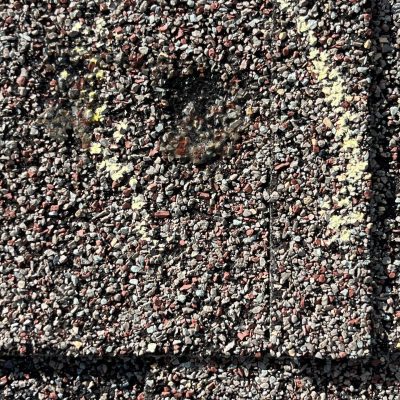
Hail damage often appears as impact marks, granule loss, or asphalt bruising that may not be visible from the ground and is best identified during a professional roof inspection.
Hailstones can damage asphalt shingles by displacing protective granules, bruising the asphalt mat beneath the surface, or creating fractures that weaken the shingle over time. While some hail damage is easy to see, other impacts require a close inspection to identify.
Common signs of hail damage include:
Once the protective surface of a shingle has been damaged, sunlight, moisture, and future weather events can accelerate deterioration. Over time, hail damage can shorten the lifespan of a roof and increase the risk of roof leaks and premature roof replacement
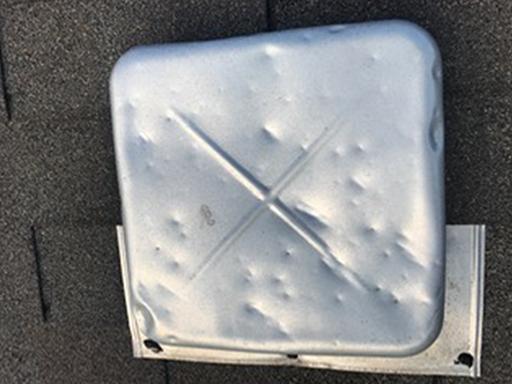
Hail does not damage every part of a roofing system equally. Different roofing materials and components respond differently depending on their composition, age, and exposure. During a professional hail damage roof inspection, these are some of the first areas evaluated for storm-related damage.
| Roof Component | Why It Is Vulnerable | Typical Hail Damage |
|---|---|---|
| Asphalt Shingles | Protective granules and the asphalt mat receive direct hail impacts | Granule loss, bruising, fractures |
| Ridge Caps | Elevated position leaves them highly exposed during hailstorms | Cracking, bruising, granule loss |
| Roof Vents | Thin or soft metal surfaces can dent under hail impact | Impact dents and deformation |
| Flashing | Exposed metal around roof penetrations can receive direct impacts | Dents, dings, and deformation |
| Gutters & Downspouts | Soft aluminum components are exposed along roof edges and exterior walls | Dents, impact marks, and deformation |
| Skylights | Glass, acrylic, seals, and surrounding flashing are directly exposed | Cracks, fractures, and seal damage |
During professional roof inspections, AlphaOne Exteriors evaluates shingles, roof vents, flashing, gutters, skylights, and other roofing components for signs of storm-related damage. Examining multiple roofing materials helps determine the extent of the hail event and whether repairs or replacement may be necessary.
Hailstorms can damage far more than asphalt shingles. During a professional hail damage roof inspection, multiple exterior components are evaluated because dents and impact marks on soft metals often help confirm the severity of the storm and reveal damage that may not be immediately visible on the roof itself.
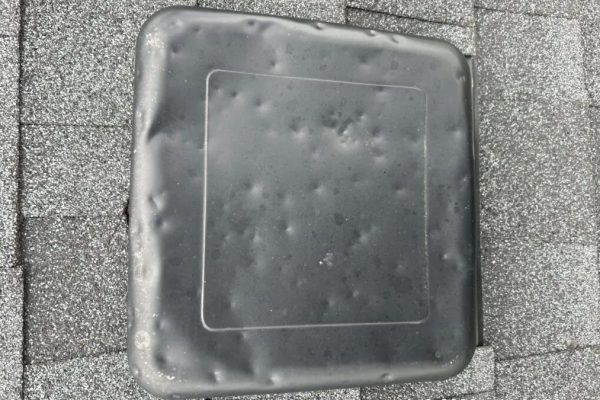
Soft metal roof vents frequently show hail impacts and can help confirm the direction and severity of a hailstorm.
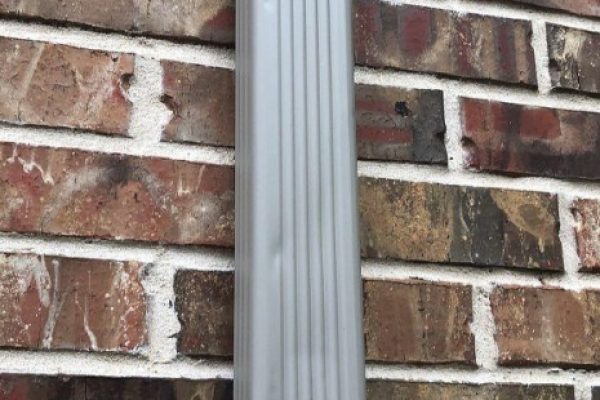
Hail can leave impact marks on aluminum downspouts, providing additional evidence of storm activity.
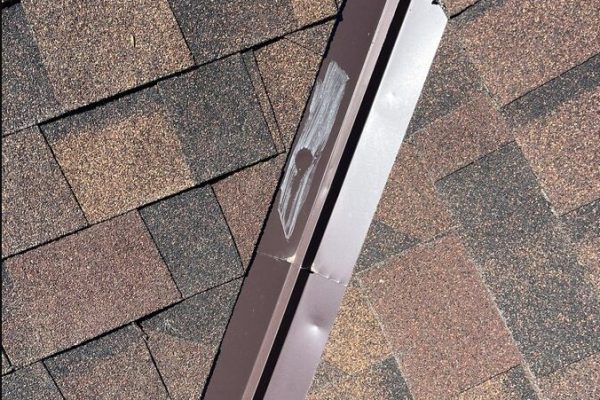
Hail can dent exposed flashing around chimneys, walls, roof penetrations and valleys.
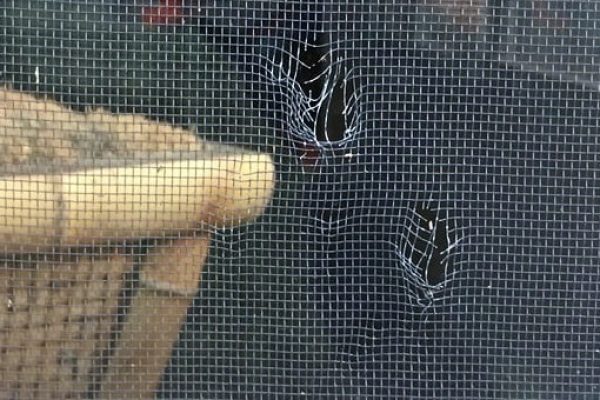
Hail can tear or dent window screens, helping establish the path and intensity of the storm.
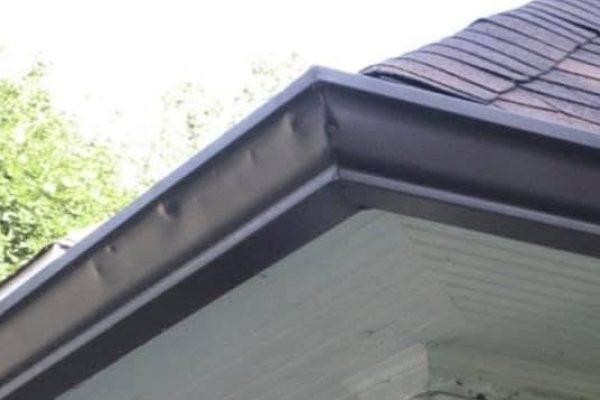
Aluminum gutters often display visible hail impacts even when shingle damage is subtle.
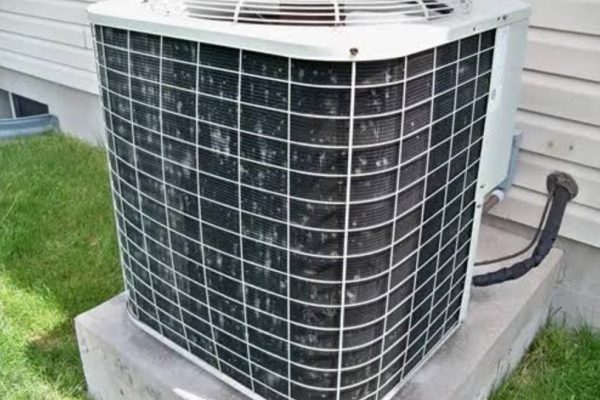
Hail frequently dents condenser fins and other exterior HVAC components during severe storms.
Not sure whether your home sustained hail damage? Schedule a professional storm damage inspection and receive honest recommendations from an experienced Dayton roofing contractor.
Hail damage is not always obvious after a storm. While severe impacts may leave visible marks, many hail-damaged shingles show subtle granule loss, bruising, or fractures that can be difficult to identify from the ground.
A roof can appear perfectly normal to a homeowner while hail damage is present across the roofing system. Identifying legitimate storm damage requires evaluating the shingles closely and looking for supporting evidence on roof vents, flashing, gutters, downspouts, and other exterior components.
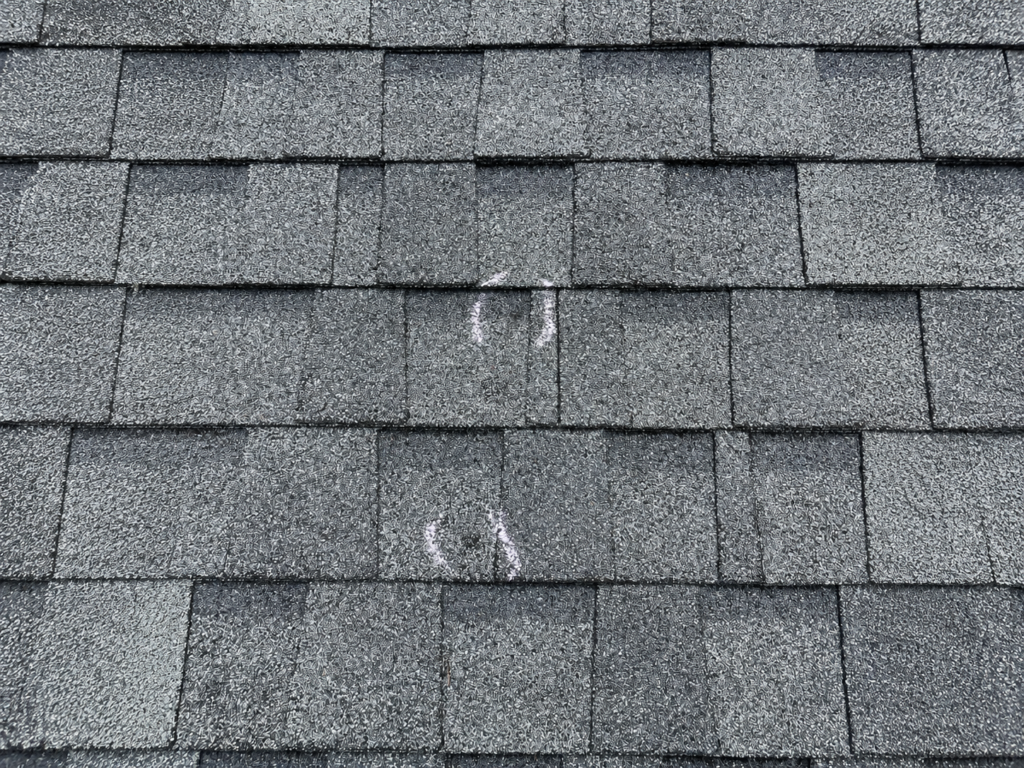
Hail impacts may appear as small areas of displaced granules or bruising that are difficult to distinguish without closely examining the shingle.
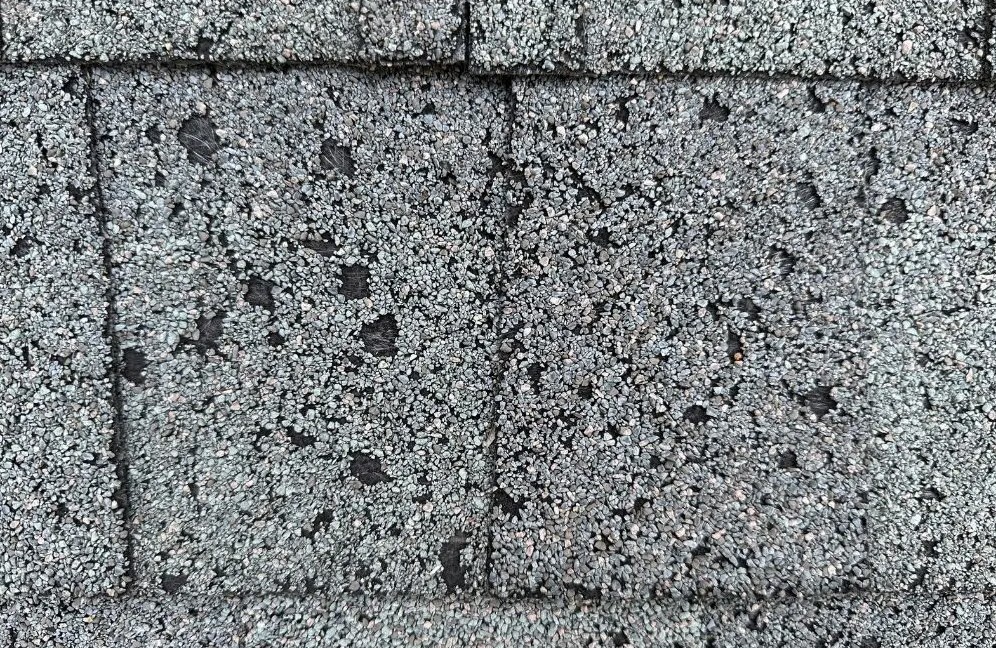
Normal aging, blistering, foot traffic, manufacturing characteristics, and other conditions can sometimes resemble hail damage. Proper identification requires evaluating the damage pattern and surrounding evidence.
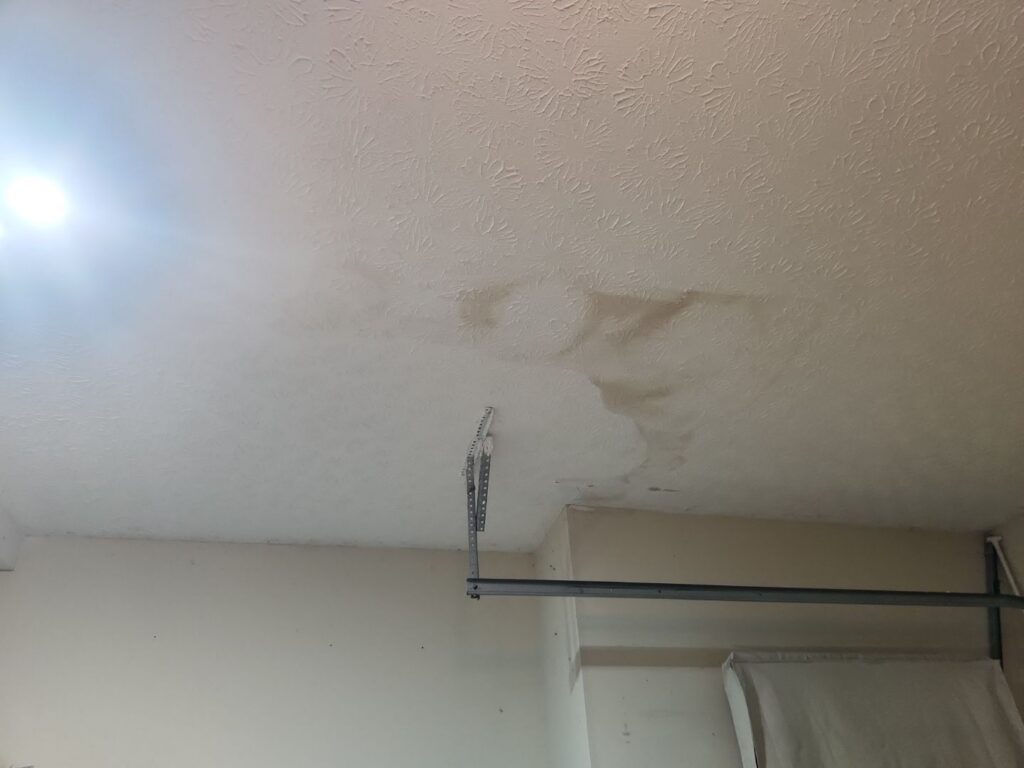
Hail damage may not cause an immediate roof leak. Damaged shingles can deteriorate gradually as sunlight, moisture, and future weather expose weakened areas.
Hail damage can be difficult to identify from the ground, but collateral damage around the property may indicate that the roof should be professionally inspected.
✔ A recent hailstorm in your neighborhood ✔ Dents in gutters or downspouts
✔ Dents on roof vents, flashing, Siding or Fascia Metal ✔ Granules collecting in gutters
✔ Visible shingle impact marks ✔ Damage to AC condenser fins
Hail damage isn’t always visible from the ground. Schedule a professional roof inspection to identify hidden storm damage before it leads to leaks and costly repairs.
A professional hail damage roof inspection involves more than looking for obvious dents or missing granules. Hail impacts can be subtle and require a close evaluation of shingles, ridge caps, flashing, roof vents, gutters, downspouts, and other exterior components.
At AlphaOne Exteriors, our hail damage inspections are designed to identify and document storm-related damage throughout the roofing and exterior systems. We evaluate impact patterns, photograph our findings, and provide homeowners with clear recommendations regarding repairs, replacement, or insurance claim documentation when appropriate.
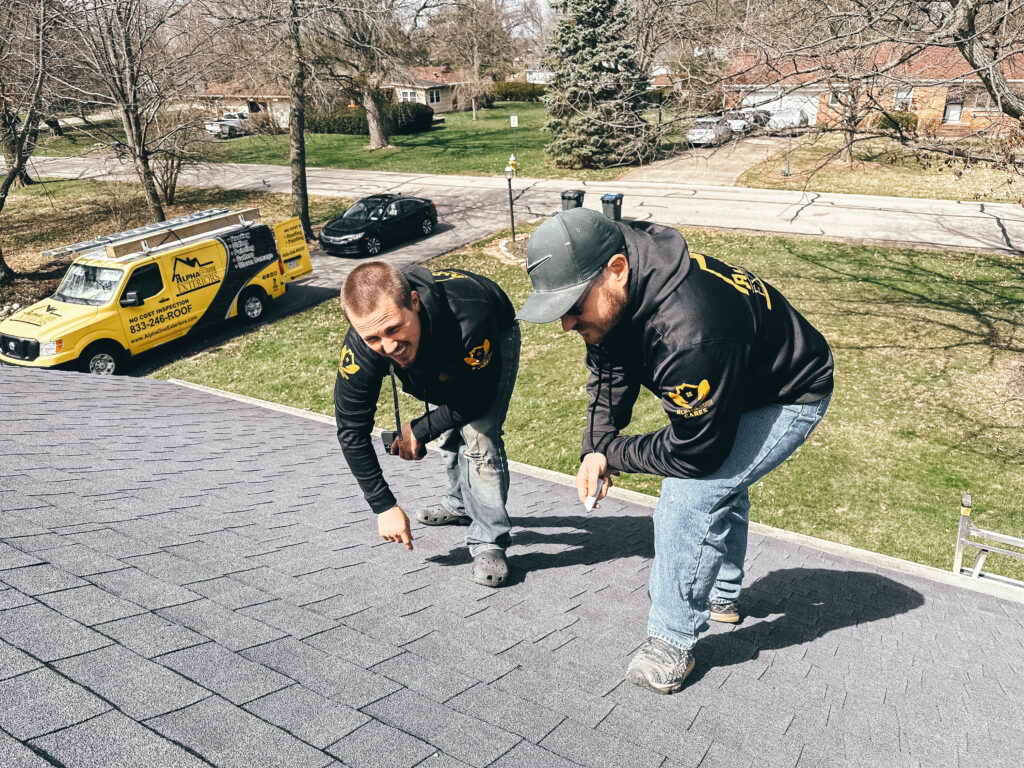
Our 5-Step Inspection Process
1
Evaluate shingles and ridge caps for impact marks, granule displacement, bruising, fractures, and other signs of hail damage.
2
Check roof vents, flashing, gutters, downspouts, and other metal components for dents and hail impact marks.
3
Inspect siding, fascia, soffits, window screens, AC units, and other exterior surfaces for supporting evidence of hail impacts.
4
Photograph and document observed damage to establish the location, pattern, and extent of storm-related impacts.
5
Explain our findings and provide clear recommendations regarding repair, replacement, or insurance claim documentation when appropriate.
Wondering whether your roof sustained hail damage? Schedule a professional inspection and receive detailed findings, photos, and clear recommendations for your home.
The appropriate solution for a hail-damaged roof depends on the extent of the damage, the age and condition of the roof, and whether the affected materials can be properly repaired or replaced. Minor, isolated damage may sometimes be repairable, while widespread hail impacts across multiple roof slopes may make roof replacement the better long-term solution.
A professional inspection can help determine whether roof repairs are appropriate or whether a full roof replacement should be considered based on the overall condition of the roofing system.
Hail damage repairs may be possible when damage is limited to a small area and the surrounding roofing materials remain in good condition.
Repairs may be appropriate when:
Damage is isolated to a limited area
The roof is relatively new
Matching materials are available
Damaged components can be replaced without affecting surrounding materials
The roofing system is otherwise in good condition
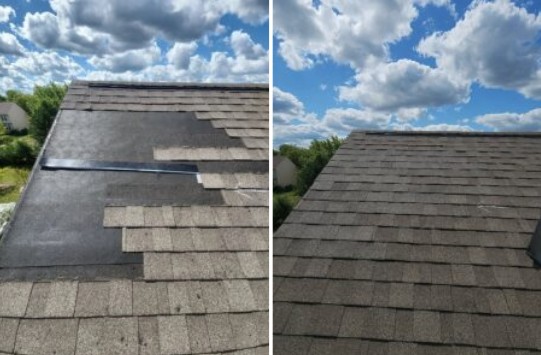
When hail damage is widespread, replacing the roof may provide a more appropriate long-term solution than attempting numerous individual repairs.
Replacement may be recommended if:
Hail damage is widespread across multiple roof slopes
Numerous shingles have sustained functional damage
Matching materials are unavailable
Shingles are brittle or near the end of their lifespan
The roof has additional age-related deterioration
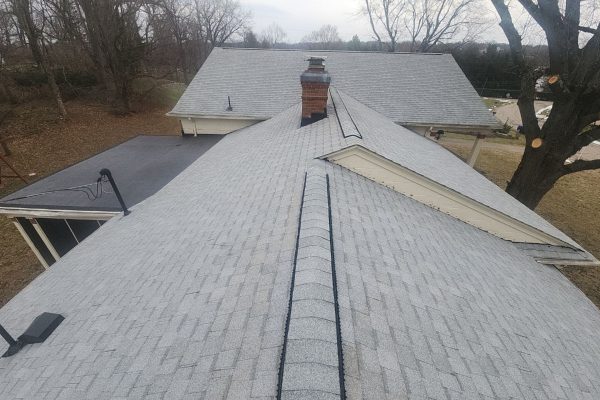
Determining whether a hail-damaged roof should be repaired or replaced requires more than counting visible impact marks. Factors such as the extent and distribution of damage, shingle condition, roof age, repairability, material availability, and the overall condition of the roofing system all play a role in making the right recommendation.
At AlphaOne Exteriors, we evaluate the entire roofing system and provide honest recommendations based on the condition of the roof, not high-pressure sales tactics.
Every storm-damaged roof is different. A professional inspection helps determine whether repairs or replacement provide the best long-term solution for your home.
Hail damage may be covered by homeowners insurance when a storm causes sudden and accidental damage to a roofing system. However, determining the extent of hail damage and the scope of repairs needed often requires a thorough inspection and professional evaluation.
At AlphaOne Exteriors, we help homeowners throughout Dayton and Southwest Ohio document hail damage, understand their options, and navigate the insurance claims process. Our goal is to help ensure homeowners have the information needed to restore their property to its pre-loss condition.
Our 5-Step Insurance Claim Support Process
1
Inspect shingles, ridge caps, roof vents, flashing, gutters, downspouts, and other exterior components for signs of hail impacts.
2
Photograph and document hail impacts and prepare detailed inspection findings.
3
Meet with the insurance adjuster when requested to review storm-related damage and answer questions regarding repairability and restoration requirements.
4
Compare the insurance carrier’s scope of work to the observed damage and discuss whether the proposed repairs appear sufficient to restore the property to a pre-loss condition.
5
Perform the approved repairs or roof replacement and restore the roofing system using quality materials and installation practices.
One of the most important parts of the claims process is ensuring the scope of work accurately reflects the storm-related damage present on the property. Our role is not to interpret insurance policies or determine coverage decisions. Instead, we focus on identifying hail-related damage, documenting conditions, and helping homeowners understand the repairs necessary to restore their property to its pre-loss condition.
Need help navigating a hail damage insurance claim? Schedule a professional inspection and receive detailed documentation, clear findings, and honest guidance throughout the restoration process.
When your home has been damaged by hail, choosing the right roofing contractor is just as important as identifying the damage itself. Hail-related roofing problems can be difficult to evaluate, and improper repairs can lead to ongoing leaks, and costly future repairs. At AlphaOne Exteriors, we combine detailed inspections, honest recommendations, and professional workmanship to help homeowners throughout Dayton and Southwest Ohio protect their homes after a storm.
Since 2012, AlphaOne Exteriors has helped homeowners throughout Dayton and Southwest Ohio identify and repair storm-related roofing damage caused by hail, high winds, and severe weather.
We help homeowners document hail damage, meet with insurance adjusters when requested, and review restoration scopes of work to help ensure the observed damage is properly addressed.
We install premium roofing systems designed to withstand Ohio weather conditions, including Atlas shingles, synthetic underlayments, and proper ventilation components.
Our inspections go beyond looking for obvious shingle damage. We evaluate shingles, ridge caps, flashing, roof vents, gutters, downspouts, and other exterior components for signs of hail impacts.
Not every hail-damaged roof requires replacement. If repairs are appropriate, we'll tell you. If replacement is the better long-term solution, we'll explain why.
We stand behind our work with professional installation practices and workmanship warranty protection, helping homeowners feel confident their roof was installed correctly.
Hail damage does not always cause immediate leaks. Damaged shingles can gradually deteriorate as sunlight, moisture, freeze-thaw cycles, and future storms affect weakened areas of the roofing system. A professional hail damage inspection can help identify problems early and determine whether repairs or replacement may be necessary.
Hail damage can be difficult to identify from the ground. Common signs include granule loss, circular impact marks, bruised shingles, damaged ridge caps, and dents on roof vents, flashing, gutters, and downspouts. A professional roof inspection can help determine whether these conditions are consistent with hail damage.
Hail damage may appear as areas of displaced granules, dark impact marks, bruising, exposed asphalt, or fractures within the shingle. The appearance can vary depending on the size and density of the hail, wind conditions, shingle age, and condition of the roofing material.
Yes. Hail can damage the protective surface of asphalt shingles without causing an immediate roof leak. Over time, damaged areas may deteriorate as they are exposed to sunlight, moisture, freeze-thaw cycles, and future weather events.
There is no single hail size that guarantees roof damage. The potential for damage depends on hail size, density, wind speed, roof age, shingle condition, roofing material, and the angle of impact. Larger hail generally creates a greater risk of damage, but smaller hail can sometimes affect older or already-weathered roofing materials.
If your property experienced significant hail, it is generally best to have the roof inspected reasonably soon after the storm. An inspection can document the roof’s condition, identify damage that may not be visible from the ground, and help you understand whether repairs or further action are necessary.
Homeowners insurance may cover hail damage when it results from a covered storm event, but coverage depends on the individual policy, roof condition, deductible, and insurance carrier’s determination. A roofing contractor can document observed damage and recommend necessary repairs, but coverage decisions are ultimately made by the insurance carrier.
Yes, some hail-damaged roofs can be repaired. Repairability depends on the extent and distribution of the damage, roof age, shingle condition, availability of matching materials, and whether damaged areas can be repaired without compromising surrounding roofing materials. Widespread damage may make replacement a more appropriate option.
If you’re unsure whether your property sustained damage, having a qualified roofing contractor inspect the roof first can help you understand its condition before deciding whether an insurance claim is appropriate. If obvious or extensive property damage is present, you may also need to contact your insurance carrier promptly based on your policy requirements.
Not necessarily. Dents in gutters, downspouts, roof vents, flashing, and other soft metals can provide evidence that hail impacted the property, but they do not automatically prove the shingles were damaged. The roofing materials should be evaluated separately for signs of functional hail damage.
Hail damage is not always visible from the ground and may not cause immediate roof leaks. If your home has recently experienced a hailstorm, a professional inspection can help identify problems before they become costly roof repairs.
AlphaOne Exteriors provides detailed hail damage roof inspections throughout Dayton and Southwest Ohio. Our team will evaluate your roofing system, document storm-related damage, and provide clear recommendations based on the actual condition of your roof.
No pressure. No obligation. Just professional guidance from an experienced Dayton roofing contractor.