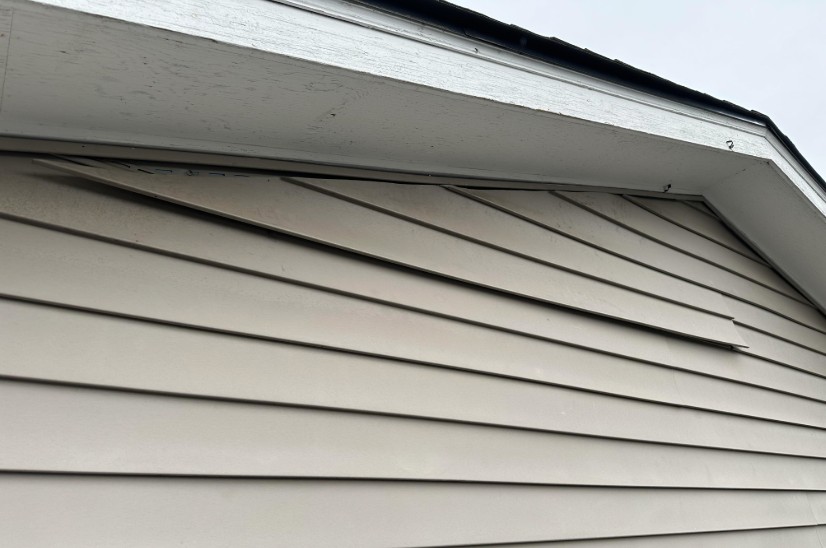
Storm impact damage
Wind-driven debris cracks and punctures panels. If a storm hit your home, this may be an insurance claim rather than an out-of-pocket repair.
Storm damage repairDayton Siding Services
Cracked, loose, or storm-damaged siding doesn't always mean a full replacement. We'll tell you which one you're looking at.
What we repair
Not every siding problem needs a full replacement. A cracked panel, a section pulled loose by wind, or damaged trim around a window may only require a targeted repair, without the cost of replacing an entire siding system.
The catch is that some problems only look localized. Water that gets behind siding travels, and the area you can see damage on is often not the extent of it. That's why every repair starts with an inspection rather than a quote over the phone.
We repair siding throughout Dayton, Kettering, Centerville, and Beavercreek. If the damage turns out to be more than a repair, our siding services cover the full range.
Symptoms
Most of these are fixable. A few of them mean something larger is going on behind the wall.
Wind-driven debris cracks and punctures panels. If a storm hit your home, this may be an insurance claim rather than an out-of-pocket repair.
Storm damage repair →
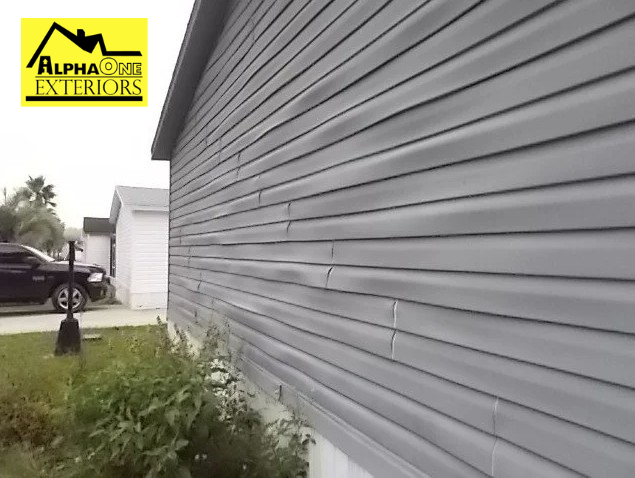
Usually an installation problem rather than a material one. Panels fastened too tight can't move with temperature. Once siding has permanently warped or buckled, the affected panels typically need to be replaced rather than simply refastened.
What causes siding to warp in Ohio →
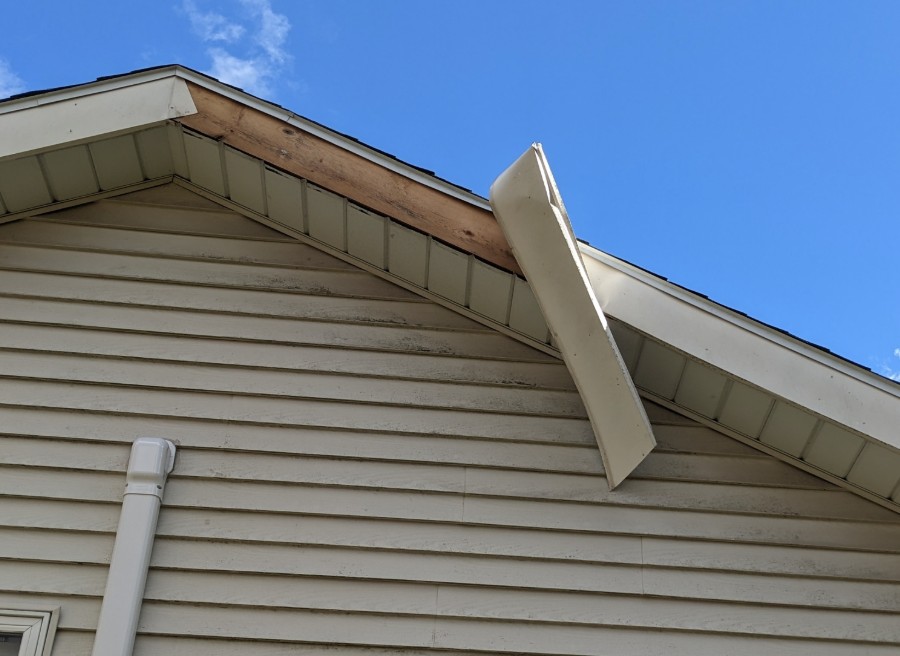
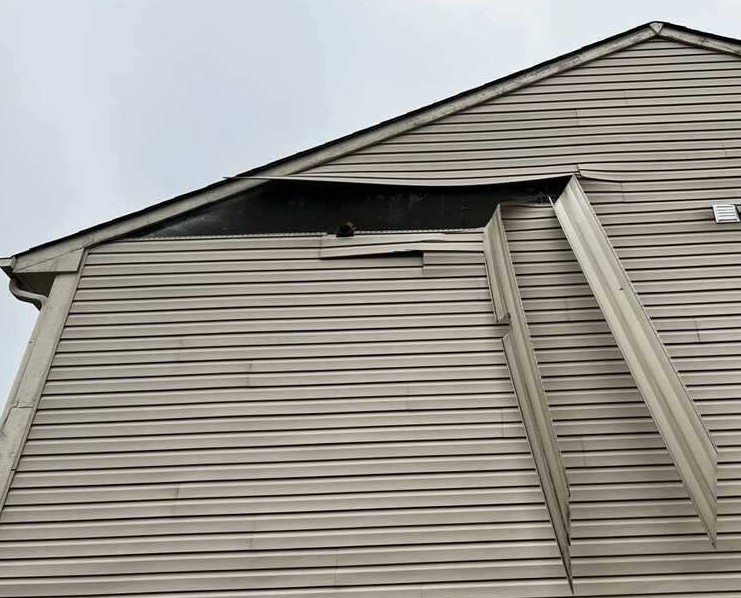
Vinyl locks course to course. When wind breaks that lock, the panel above loses support too — so the damage is usually wider than the one panel you noticed from the driveway.
Why siding comes loose after a storm →Repair or replace
The worst-looking panel doesn't decide whether you need new siding. The extent of the damage, availability of matching material, and what's happening behind the siding do.
Repair
Localized damage is often a good candidate for repair. If compatible matching panels are available and the surrounding siding is in good condition, we can typically replace the damaged area without disturbing the rest of the elevation.
Usually repair
One full elevation. Doable, but new panels won't match sun-faded existing siding exactly, even in the same color. We'll show you what to expect before you commit.
Replacement is better value
Multiple elevations. Once you're repairing three or four walls, the cost converges on a full siding replacement — and you'd still have mismatched panels.
Replacement
Moisture behind the siding. This isn't a siding problem anymore, it's a wall assembly problem. Sheathing and house wrap have to be addressed, which means removing siding regardless.
The honest part
Two things make matching harder than it sounds, and you should hear about both before you sign anything.
Profiles get discontinued. If your siding is fifteen years old, the exact panel may no longer be manufactured. A replacement that looks similar may use a different locking profile and may not properly integrate with the existing siding system.
And colors fade. Even a perfect factory-color match can look noticeably different next to siding that has been exposed to years of sunlight and weather.
We first determine whether a compatible siding profile is still available and source from the original manufacturer when possible. If color differences are a concern, relocating existing panels from a less-visible area may sometimes provide a better match. Before moving forward, we'll explain the available options so you know what the finished repair is likely to look like.
What we won't do is hide a matching problem and let you discover it after the repair is finished. If you're choosing a siding contractor, ask how they'll handle both profile compatibility and color matching before you sign.
What we repair
Different siding materials fail in different ways, and the right repair depends on the material, extent of the damage, and availability of compatible replacement products. AlphaOne Exteriors repairs many of the siding systems found on homes throughout Dayton and Southwest Ohio.
Not sure what type of siding you have? We can identify the material, evaluate the damage, and determine whether a practical repair is available.
Process
Ten steps, with one goal: fix what needs fixed without turning every siding problem into a replacement.
Insurance
When wind or hail damages your siding, thorough documentation can be an important part of the insurance claim process. Photos, damage locations, affected materials, and repair requirements can help establish a clear record of the storm-related conditions.
AlphaOne Exteriors has extensive experience helping Dayton and Southwest Ohio homeowners document storm-damaged siding. When needed, we can meet with the insurance adjuster, explain our findings, and provide documentation supporting the repairs necessary to properly restore the exterior.
Learn more about our storm damage restoration services and how we help homeowners navigate the insurance claim process.
We don't handle your claim for you, and we won't tell you what your policy covers. That's between you and your carrier.
What we can document
Roofline
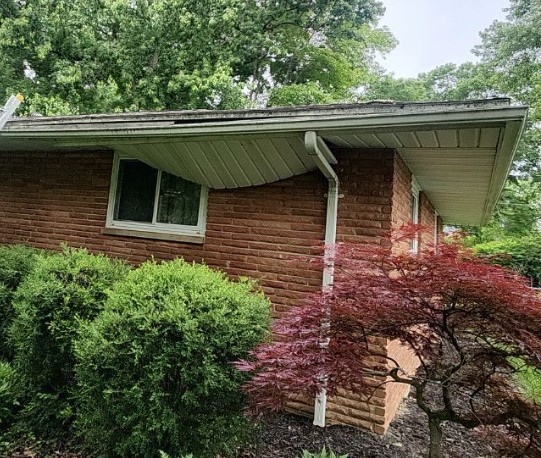
Not every siding problem starts with the siding itself. Damaged trim, corner posts, J-channel, fascia, soffit, and flashing can affect how the exterior sheds water and protects the wall assembly.
When we evaluate a siding repair, we also look at the surrounding components that tie into the damaged area. Cracked corner posts, loose J-channel, deteriorated window and door trim, and failed sealants may need to be addressed as part of a complete repair.
Fascia and soffit problems often develop for different reasons. Wind can loosen soffit panels or fascia metal, while prolonged moisture exposure can deteriorate the wood underneath. Blocked or damaged soffit can also interfere with proper attic ventilation.
If the damage extends beyond the siding itself, we'll identify the affected components and explain what should be repaired together.
Learn more about our fascia and soffit repair services.
Why AlphaOne
Siding repair takes more than replacing a damaged panel. It takes proper installation, careful material matching, and the judgment to know when a repair will work and when it won't.
Not sure if your siding needs a repair or replacement? We'll inspect the damage and give you a straightforward recommendation.
Usually, yes. A cracked or split panel can normally be removed and replaced without touching the courses around it, provided a matching panel is still available. Cracking across many panels at once is a different signal — it often points to age or brittleness in the material rather than a single impact.
Often, but not always, and we check before we quote rather than after. We identify the manufacturer and profile first, then confirm the panel is still in production. If it is, matching is straightforward. If it is not, we tell you that up front and talk through the options.
There are three usual paths. A close substitute from another manufacturer may lock correctly against your existing courses — we test that rather than assume it. We can pull panels from a hidden elevation, such as a rear or garage wall, use those for the visible repair, and put the new panels in the less visible spot. Or, if the damage is extensive enough, replacing the siding becomes the better value.
Sometimes. New siding has its original factory color, while existing siding may have faded after years of sun and weather exposure. Even when we find the correct manufacturer, profile, and color, the new panels may still look slightly different from the existing siding, especially on south- and west-facing walls. We explain potential matching issues upfront so you know what to expect before the repair begins.
Siding repair costs vary depending on the extent of the damage, siding material, availability of matching panels, wall height and accessibility, and whether related trim, flashing, or J-channel also needs repair. Hidden damage discovered behind the siding can also affect the final cost.
Because siding repairs vary considerably from one home to another, AlphaOne Exteriors evaluates the damage before providing a repair estimate rather than relying on a standard price per square foot.
If you’re deciding between repair and replacement, see our guide to siding replacement costs in Dayton, Ohio.
Yes. Single-panel repairs are common, and they are one of the most cost-effective things you can do for a home exterior. The one caveat is that vinyl locks course to course, so removing one panel means unlocking the one above it. That is normal and does not damage the surrounding siding when it is done correctly.
A localized repair — a few panels in one area, with matching material in hand — can often be completed in less time than a full elevation. Sourcing discontinued panels can add time before the work starts. We give you a timeline with the estimate.
Sudden damage from wind or hail is often covered. Gradual deterioration, fading, and age-related failure generally are not. Policies differ, so we will not tell you what yours covers — that is between you and your carrier. What we can do is document the damage properly: dated photographs, a written assessment, and a line-item estimate your adjuster can work from. More on storm damage repair and restoration.
Possible signs of water intrusion include staining or streaking, soft or deteriorated exterior materials, peeling paint, bubbling drywall, musty odors, or damaged trim around windows and doors. However, moisture behind siding is not always visible from the exterior. When damaged siding is removed during a repair, the exposed sheathing, weather-resistant barrier, and flashing can be evaluated for signs of moisture intrusion.
Siding repair may not be the best investment when damage affects multiple elevations, matching material is no longer available, moisture damage extends beyond the affected panels, or the existing siding is near the end of its service life. In those situations, repairing one area may still leave you with mismatched siding, unresolved underlying problems, or additional repairs in the near future.
When replacement offers better long-term value than continuing to repair an aging or extensively damaged siding system, we’ll explain why.
Yes, in many cases. Hail can crack or puncture vinyl siding, dent aluminum siding, and damage trim and other exterior components. Whether a targeted repair is possible depends on how widespread the damage is, the condition of the existing siding, and whether compatible replacement material is still available.
If the damage may be storm-related, we can also document the affected areas before repairs begin.
Yes. AlphaOne Exteriors repairs damaged soffit and fascia, including loose or missing soffit panels, damaged fascia metal, rotted fascia boards, and other problems around the roofline. These components help protect the eaves from weather and pests, while properly functioning soffit also plays an important role in attic ventilation.
Because soffit and fascia have different repair considerations than siding, learn more about the common problems we repair on our soffit and fascia repair page.
Yes, though matching is a different problem than it is with vinyl. With painted wood or fiber cement, the repair itself is straightforward and the finish is where the care goes — matching an aged paint or stain color usually means repainting a larger area than the damage alone, often to a natural break line such as a corner or trim edge.
Individual panel replacements and spot repairs are not covered by the AlphaOne Advantage Workmanship Warranty. When a siding repair requires replacement of a full elevation, however, our workmanship warranty applies to that completed elevation. Manufacturer warranties on new materials vary by product.
Free inspection, an honest recommendation on repair versus replacement, and a written estimate either way.
Schedule Free Siding Inspection →AlphaOne Exteriors · Dayton, Ohio · VSI Certified · Since 2012