
DAYTON STORM DAMAGE SERVICES
Helping Dayton homeowners identify and repair wind-damaged roofing systems.
Wind damage occurs when strong gusts create uplift pressure on a roofing system, pulling on shingles, ridge caps, flashing, and roof edges. In Southwest Ohio, wind damage often begins at the roof’s most vulnerable areas—ridges, eaves, rakes, and corners—before spreading to other parts of the roof. Even when shingles are not blown completely off, wind can break the seal between shingles, creating hidden damage that may eventually lead to roof leaks.
Many homeowners assume wind damage is only present when shingles are missing. In reality, some of the most costly wind damage starts long before a leak develops. A roof can appear normal from the ground while individual shingles have been lifted, loosened, or creased during a storm.
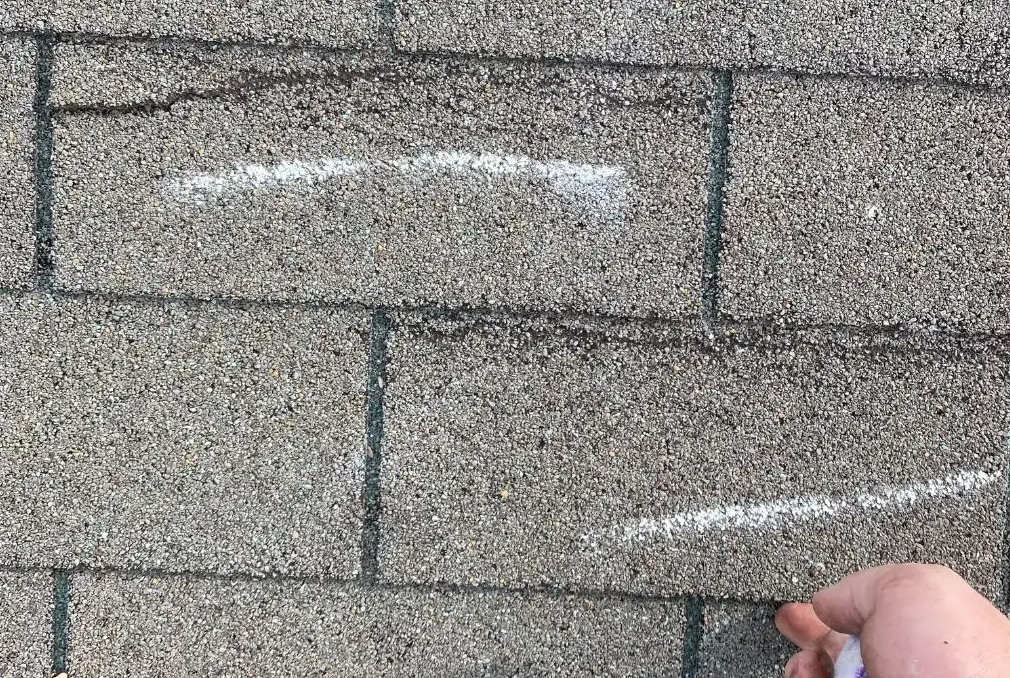
Wind-creased shingles often indicate that high winds have broken the adhesive seal holding the roofing system together.
Asphalt shingles are designed to resist normal weather conditions, but severe winds can overcome the adhesive seal that holds shingles together.
Common wind-related shingle damage includes:
Once a shingle loses its seal, future wind events can continue to worsen the damage. Water can also work its way beneath the roofing system, increasing the risk of roof leaks and decking deterioration.
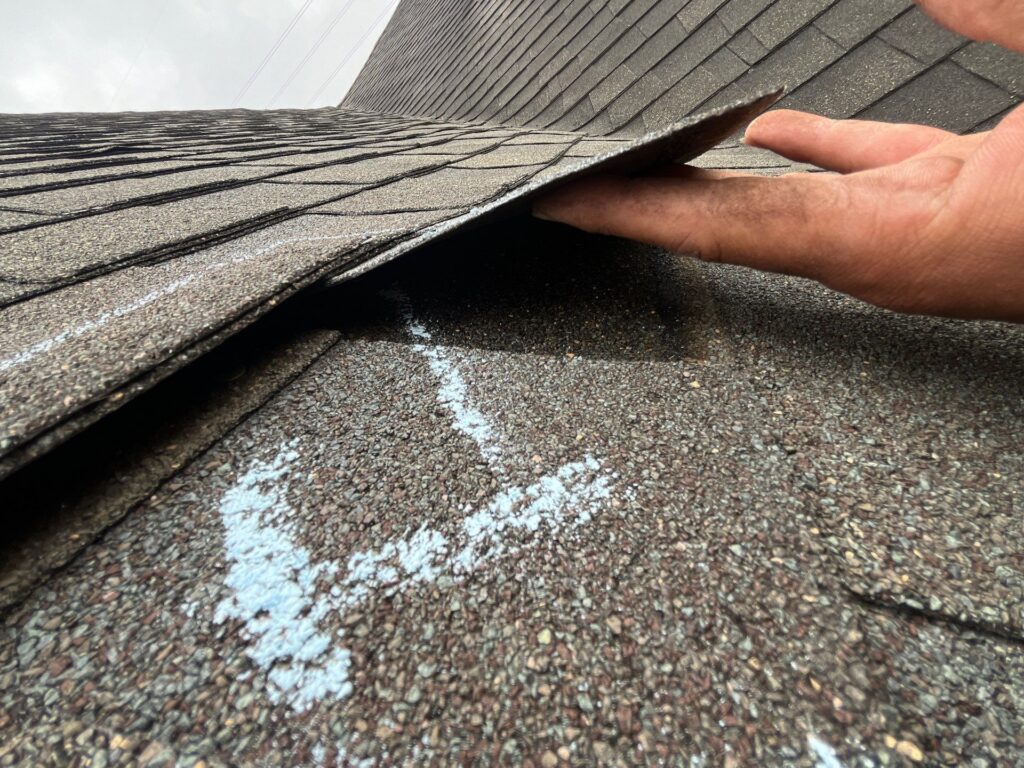
Wind does not impact every part of a roof equally. Certain areas experience greater uplift pressure during storms and are often the first locations where wind damage occurs. Understanding these vulnerable areas can help homeowners spot potential roofing problems after severe weather.
| Roof Area | Why It Is Vulnerable | Common Damage |
|---|---|---|
| Ridge Caps | Highest point on the roof and most exposed to wind | Missing or loosened ridge caps |
| Roof Corners | Experience the strongest uplift forces during storms | Lifted or missing shingles |
| Rake Edges | Wind can catch exposed roof edges | Torn or displaced shingles |
| Eaves | First area impacted by changing wind direction | Shingle lifting and water intrusion |
| Flashing | Wind can loosen metal components around penetrations | Leaks and flashing separation |
| Roof Intersections | Complex roof transitions create vulnerable pressure points | Shingle damage and water intrusion |
During professional roof inspections, AlphaOne Exteriors frequently finds wind damage along ridge caps, roof edges, flashing, and other high-exposure areas. These locations often show signs of damage before problems become visible from the ground.
Throughout Dayton and Southwest Ohio, windstorms frequently damage more than just roofing materials. Gutters, siding, fascia, soffits, and other exterior components are often impacted during severe weather events. A thorough storm damage inspection should evaluate the entire exterior of a home to identify hidden damage and help prevent future problems.
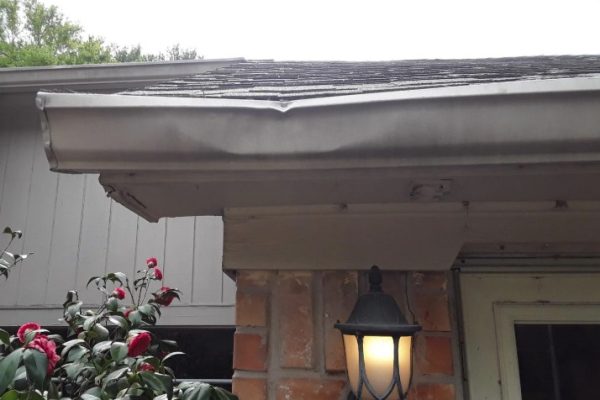
Strong winds can bend, detach, or damage gutter systems, affecting drainage performance.
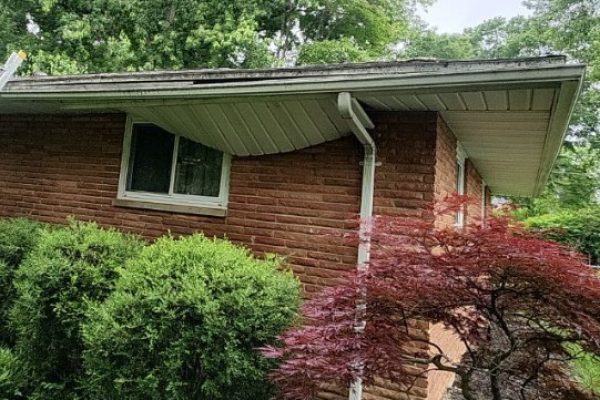
Wind can damage soffit panels, allowing moisture and pests to enter attic spaces.
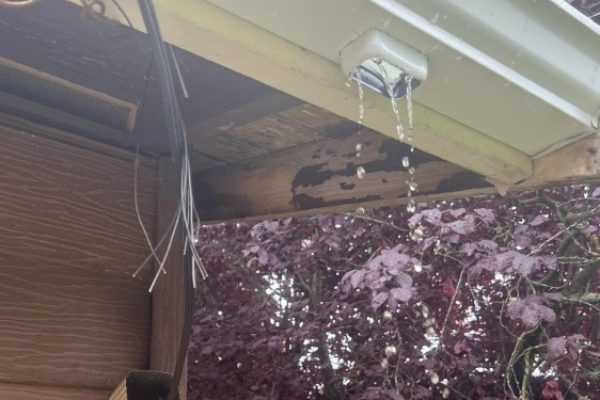
Wind and falling debris can pull downspouts away from the home and create drainage issues.
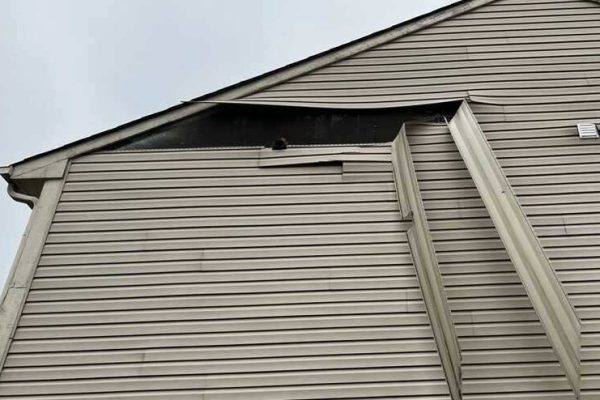
Flying debris and pressure changes can crack, loosen, or dislodge siding panels.
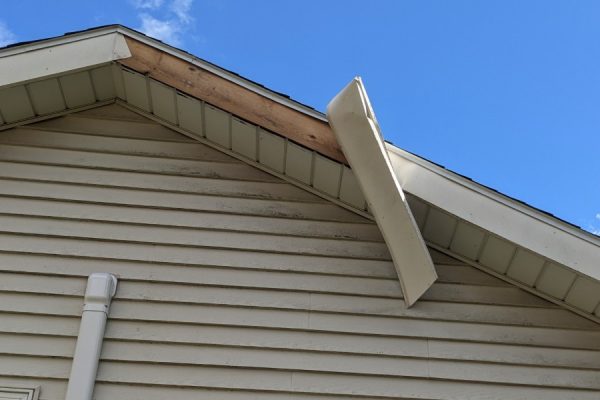
High winds can loosen fascia trim and expose vulnerable roof edge components.
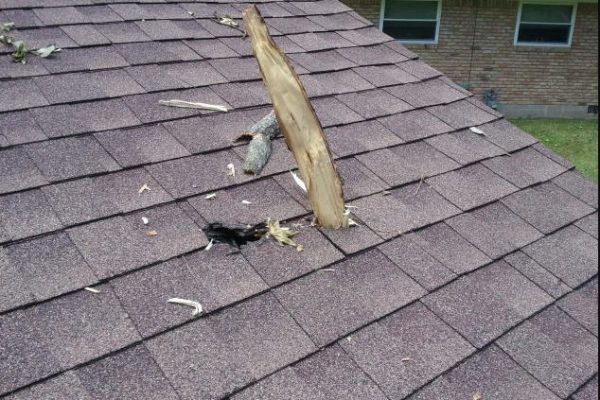
Broken branches can impact roofing systems, gutters, siding, and other exterior surfaces.
Not sure whether your home sustained wind damage? Schedule a professional storm damage inspection and receive honest recommendations from an experienced Dayton roofing contractor.
Wind damage is not always obvious after a storm. While missing shingles are easy to spot, some of the most serious wind-related roofing problems occur in ways that are difficult to see from the ground.
In many cases, wind can lift, loosen, or crease shingles without removing them completely. A roof may appear undamaged to a homeowner while hidden storm damage continues to worsen over time, increasing the risk of leaks and costly repairs.
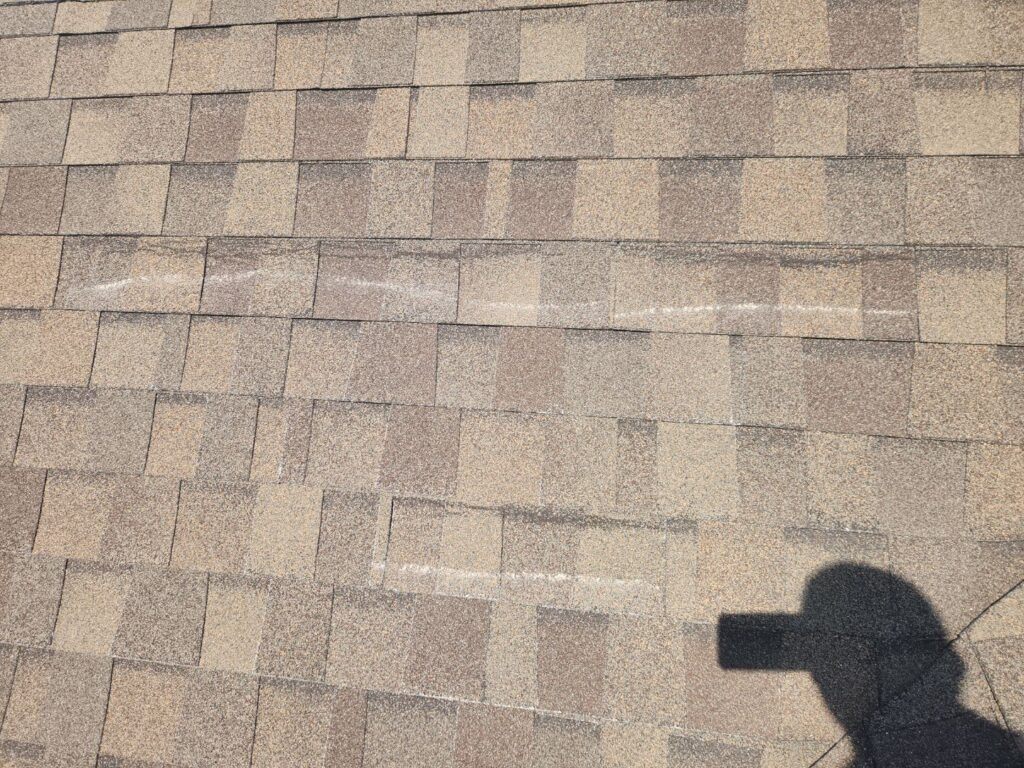
Wind can break the adhesive seal between shingles without removing them from the roof. Damage often remains invisible from the ground.
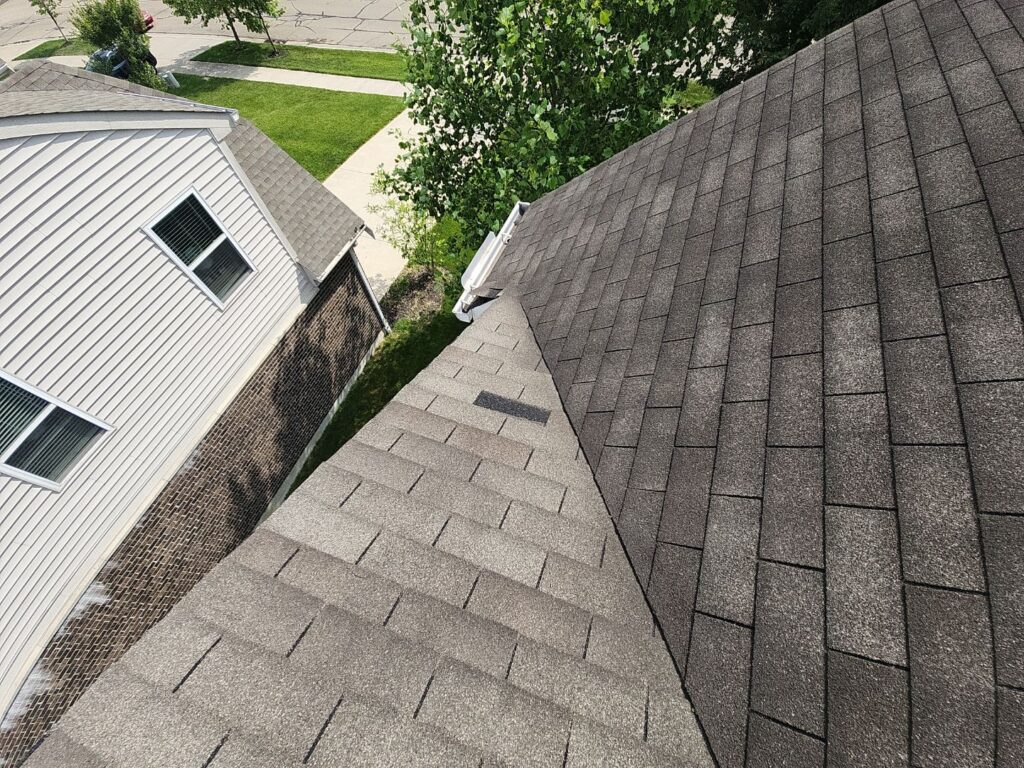
Many vulnerable roof areas cannot be properly evaluated from ground level, including ridge caps, flashing, and roof intersections.
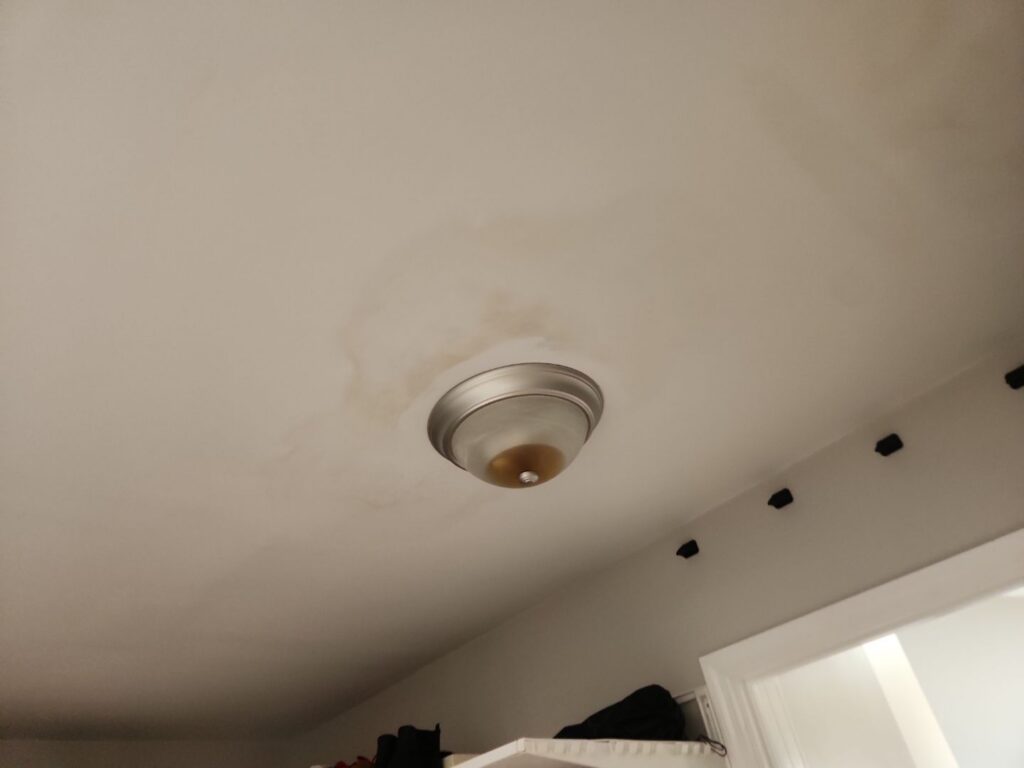
Wind damage may not cause immediate leaks. Problems can develop gradually as future storms exploit weakened roofing components.
Hidden wind damage often develops slowly and may not become apparent until interior problems begin to appear.
✔ Ceiling stains ✔ Attic moisture
✔ Mold growth ✔ Damaged roof decking
✔ Interior drywall damage ✔ Insulation deterioration
Wind damage isn’t always visible from the ground. Schedule a professional roof inspection to identify hidden storm damage before it leads to leaks and costly repairs.
A professional wind damage inspection involves much more than simply looking for missing shingles. Many forms of wind-related roof damage can be subtle and require a close evaluation of roofing materials, flashing, ridge caps, roof penetrations, and other vulnerable components.
At AlphaOne Exteriors, our wind damage inspections are designed to identify visible and hidden storm-related issues, document damage with photos, and help homeowners understand the overall condition of their roofing system. We provide clear findings, honest recommendations, and guidance on whether repairs, replacement, or insurance claim documentation may be appropriate.
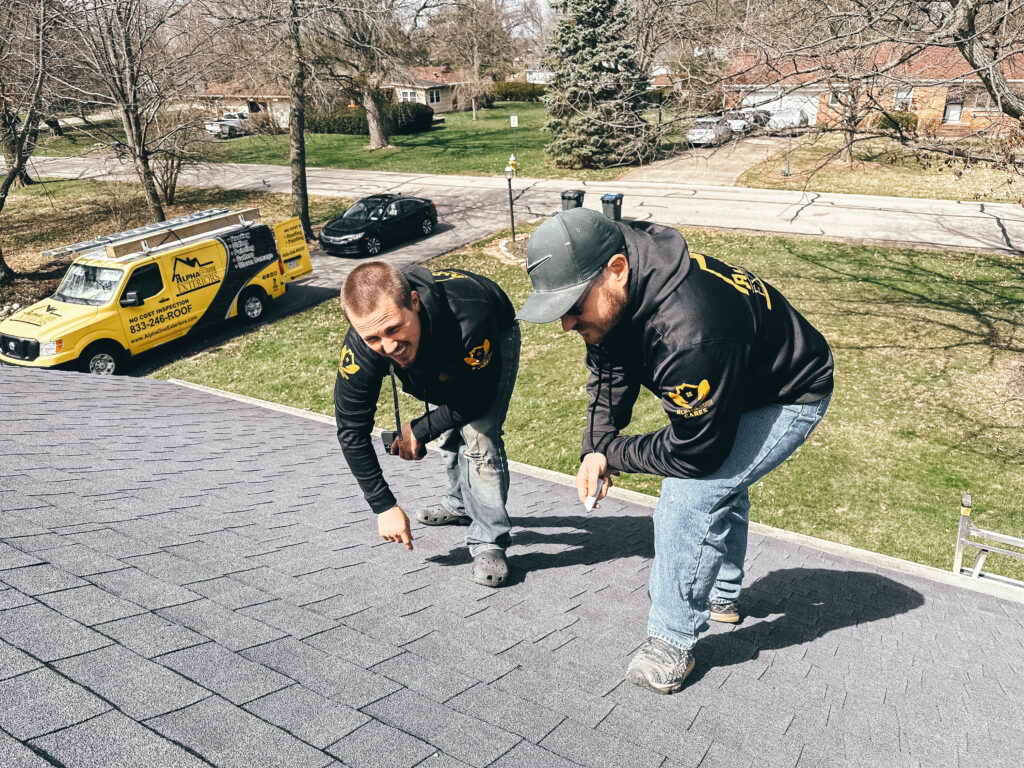
Our 5-Step Inspection Process
1
Evaluate shingles, ridge caps, flashing, valleys, and roof penetrations for signs of wind damage.
2
Photograph visible damage and identify areas requiring further evaluation.
3
Inspect gutters, siding, fascia, soffits, and other exterior systems for storm-related damage.
4
Assess whether repairs or roof replacement may be the most appropriate solution.
5
Provide homeowners with clear findings, photos, and next-step recommendations.
Wondering whether your roof sustained wind damage? Schedule a professional inspection and receive detailed findings, photos, and clear recommendations for your home.
The appropriate solution for wind-damaged roofing depends on the extent of the damage, the age of the roof, the condition of surrounding materials, and whether the affected shingles can be properly repaired or replaced. While some roofs can be successfully repaired after a windstorm, more extensive damage may make roof replacement the better long-term solution.
A professional inspection can help determine whether roof repairs are appropriate or whether a full roof replacement should be considered based on the overall condition of the roofing system.
Wind damage repairs are often possible when damage is limited to a small area of the roof and the surrounding roofing materials remain in good condition.
Repairs may be appropriate when:
Damage is isolated to a few shingles
The roof is relatively new
Matching materials are available
Flashing damage is limited
The roofing system is otherwise in good condition
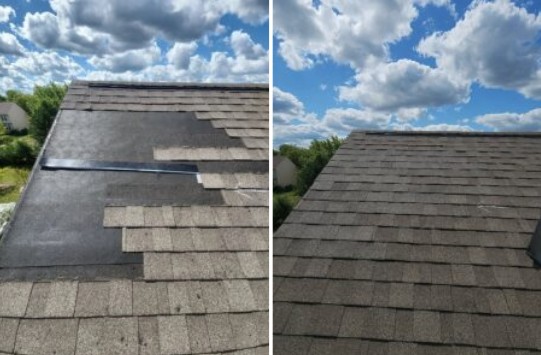
In some situations, replacing the roof may provide a better long-term solution than performing multiple repairs.
Replacement may be recommended if:
Wind damage affects multiple roof slopes
Shingles are brittle, or near the end of their lifespan
Matching materials are unavailable
Decking or structural components are compromised
The roof is nearing the end of its expected lifespan
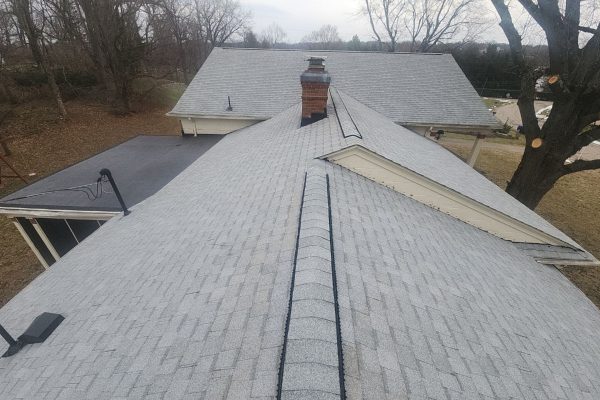
Determining whether a roof should be repaired or replaced requires more than counting missing shingles. Factors such as shingle condition, repairability, roof age, material availability, and the extent of storm damage all play a role in making the right recommendation.
At AlphaOne Exteriors, we evaluate the entire roofing system and provide honest recommendations based on the condition of the roof, not high-pressure sales tactics.
Every storm-damaged roof is different. A professional inspection helps determine whether repairs or replacement provide the best long-term solution for your home.
Wind damage may be covered by homeowners insurance when a storm causes sudden and accidental damage to a roofing system. However, determining the extent of the damage and the scope of repairs needed often requires a thorough inspection and professional evaluation.
At AlphaOne Exteriors, we help homeowners throughout Dayton and Southwest Ohio document storm damage, understand their options, and navigate the insurance claims process. Our goal is to help ensure homeowners have the information needed to restore their property to its pre-loss condition.
Our 5-Step Insurance Claim Support Process
1
Inspect roofing materials and exterior components for signs of wind-related damage.
2
Photograph storm damage and prepare detailed inspection findings.
3
Meet with the insurance adjuster when requested to review storm-related damage and answer questions regarding repairability and restoration requirements.
4
Compare the insurance carrier’s scope of work to the observed damage and discuss whether the proposed repairs appear sufficient to restore the property to a pre-loss condition.
5
Perform the approved repairs or roof replacement and restore the roofing system using quality materials and installation practices.
One of the most important parts of the claims process is ensuring the scope of work accurately reflects the storm-related damage present on the property. Our role is not to interpret insurance policies or determine coverage decisions. Instead, we focus on identifying storm-related damage, documenting conditions, and helping homeowners understand the repairs necessary to restore their property to its pre-loss condition.
Need help navigating a wind damage insurance claim? Schedule a professional inspection and receive detailed documentation, clear findings, and honest guidance throughout the restoration process.
When your home has been damaged by severe winds, choosing the right roofing contractor is just as important as identifying the damage itself. Wind-related roofing problems can be difficult to evaluate, and improper repairs can lead to ongoing leaks, structural damage, and costly future repairs. At AlphaOne Exteriors, we combine detailed inspections, honest recommendations, and professional workmanship to help homeowners throughout Dayton and Southwest Ohio protect their homes after a storm.
Since 2012, AlphaOne Exteriors has helped homeowners throughout Dayton and Southwest Ohio identify and repair storm-related roofing damage caused by high winds, hail, and severe weather.
We help homeowners document storm damage, meet with insurance adjusters when requested, and review insurance scopes of work to help ensure the property can be restored to its pre-loss condition.
We install premium roofing systems designed to withstand Ohio weather conditions, including Atlas shingles, synthetic underlayments, and proper ventilation components.
Our inspections go beyond missing shingles. We evaluate roofing materials, flashing, ridge caps, roof penetrations, gutters, siding, and other exterior components for signs of storm-related damage.
Not every wind-damaged roof requires replacement. If repairs are appropriate, we'll tell you. If replacement is the better long-term solution, we'll explain why.
We stand behind our work with professional installation practices and workmanship warranty protection, helping homeowners feel confident their roof was installed correctly.
Wind damage often worsens over time. What begins as a lifted shingle or damaged ridge cap can eventually lead to leaks, decking deterioration, insulation damage, and costly repairs. Scheduling a professional inspection after a significant wind event can help identify problems early and prevent more extensive damage later.
Wind damage is not always obvious from the ground. Common signs include missing shingles, lifted or creased shingles, damaged ridge caps, exposed nail heads, loose flashing, and debris impacts. In many cases, wind damage can exist even when a roof appears normal from the ground, which is why a professional inspection is often recommended after severe wind events.
Yes. Wind can break the adhesive seal that holds shingles together, allowing water to enter beneath the roofing system. While leaks may not occur immediately after a storm, hidden wind damage can create pathways for water intrusion that eventually lead to ceiling stains, attic moisture, mold growth, and damaged roof decking.
Many homeowners insurance policies provide coverage for sudden and accidental wind damage. However, coverage depends on the specific policy, the extent of the damage, and the insurance carrier’s findings. Homeowners should review their policy and schedule a professional inspection if wind damage is suspected.
In many situations, yes. Repairs may be appropriate when damage is limited to a small area and matching materials are available. More extensive damage, aging roofing materials, or widespread storm damage may make roof replacement the more practical long-term solution. A professional inspection can help determine the best course of action.
It is generally best to schedule an inspection as soon as possible after a significant wind event. Early inspections can identify hidden damage before leaks develop and allow homeowners to document storm-related conditions while evidence is still visible.
The wind speed required to damage a roof depends on factors such as roof age, shingle condition, installation quality, and exposure. While some roofing systems can withstand high winds, aging or previously damaged shingles may sustain damage during storms with significantly lower wind speeds.
Wind damage commonly occurs at ridge caps, roof corners, rake edges, eaves, flashing, and roof intersections. These areas experience increased wind pressure and uplift forces during severe weather events, making them more susceptible to damage.
Many homeowners choose to have their roof inspected before filing a claim. A professional inspection can help identify whether storm-related damage is present and provide information that may be useful when discussing the situation with their insurance carrier.
Not always. The availability of matching shingles, the age of the roof, and the condition of surrounding materials can affect repair options. In some situations, repairs are straightforward. In others, replacement may be the more practical solution.
Strong winds can damage roofing systems in ways that are not always visible from the ground. Whether you’ve noticed missing shingles, suspect storm damage, or simply want peace of mind after a severe weather event, a professional inspection can help identify problems before they become costly roof repairs.
AlphaOne Exteriors provides detailed wind damage roof inspections throughout Dayton and Southwest Ohio. Our team will evaluate your roofing system, document any storm-related damage, and provide clear recommendations based on the actual condition of your roof.
No pressure. No obligation. Just professional guidance from an experienced Dayton roofing contractor.