

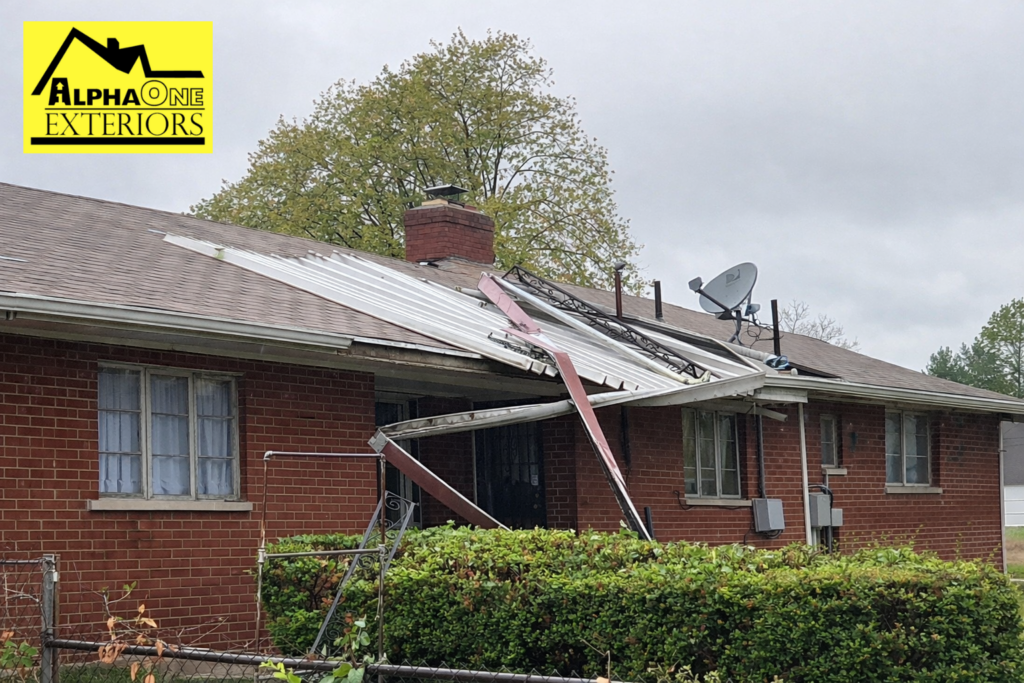
When a strong storm rolls through Dayton, it rarely leaves everything untouched. High winds, hail, heavy rain, and sudden temperature drops can damage roofing, siding, gutters, and even your home’s structure.
If your neighborhood in Centerville, Beavercreek, Kettering, or Springboro just experienced severe weather, the first few hours matter. Acting quickly can prevent small issues from turning into major repairs.
Below is a clear, step by step action plan based on what we see every year across Southwest Ohio.
What Should I Do Immediately After a Storm Damages My Home?
First, make sure your family is safe. Then assess visible damage from the ground and document everything before making temporary protective repairs.
Here is the priority order:
- Ensure personal safety.
- Check for active leaks or structural hazards.
- Document visible damage with photos.
- Prevent further water intrusion if possible.
- Schedule a professional inspection.
Do not climb onto your roof or attempt dangerous repairs. Many post storm injuries happen during cleanup, not during the storm itself.
How Do I Know If My Roof Was Damaged by Wind or Hail?
Look for missing shingles, lifted shingles, dented vents, granules in gutters, or water spots on ceilings.
In Dayton, we commonly see:
- Shingles blown off during spring wind storms
- Creased shingles that look intact but are weakened
- Hail bruising that softens the asphalt layer
- Bent flashing around chimneys and valleys
After strong wind events, shingles may reseal temporarily but fail months later. That is why a professional inspection is important even if your roof looks fine from the driveway.
Should I Go on My Roof to Inspect Storm Damage?
No. Stay off the roof unless you are trained and equipped for safe access.
Roofs can be slippery after rain, and hidden soft spots may exist where decking was compromised.
Use binoculars from the ground or inspect from an upper window if possible. Leave close evaluation to a professional.
What Parts of My Home Are Most Vulnerable to Storm Damage in Dayton Ohio?
Roofing, siding, gutters, windows, and fascia are most commonly affected.
In Southwest Ohio, these areas take the brunt of:
- Straight line wind
- Hail impact
- Heavy rain overflow
- Freeze and thaw stress
Older vinyl siding in areas like Oakwood can crack during hail events. Aluminum gutters often pull loose during high wind gusts above fifty miles per hour. Freeze and thaw cycles can worsen small cracks after the storm passes.
How Can I Prevent Further Damage While Waiting for Repairs?
Use temporary measures to stop active leaks and keep water out of your home.
Safe temporary actions include:
- Placing buckets under ceiling leaks
- Moving valuables away from wet areas
- Covering exposed roof sections with a secured tarp if safely accessible
- Clearing debris from downspouts at ground level
Do not remove partially attached shingles or siding. That can increase water exposure.
If water is entering your attic, contain it quickly. Insulation loses effectiveness once soaked and can lead to mold growth within twenty four to forty eight hours.
When Should I Call My Insurance Company After a Storm?
Contact your insurance company after you have documented visible damage and had a professional inspection confirm storm related issues.
Insurance typically covers sudden and accidental damage caused by:
- Wind
- Hail
- Falling tree limbs
- Severe weather events
Insurance does not usually cover wear and tear or aging materials. In Ohio, adjusters look closely at whether damage was caused by the storm or by long term deterioration.
A contractor inspection before filing can help determine whether a claim is appropriate.
What If a Tree Falls on My House During a Storm?
Ensure safety first and contact emergency services if necessary. Then call your insurance provider and a qualified contractor.
If a tree impacts your roof:
- Stay clear of the damaged area
- Shut off electricity if water is entering near wiring
- Document everything with photos
- Do not attempt to remove large debris yourself
Tree impact often damages more than just shingles. We frequently find structural decking damage, broken rafters, and crushed gutters after heavy limb strikes in Beavercreek and Fairborn neighborhoods with mature trees.
How Quickly Should Storm Damage Be Repaired?
As soon as possible. Delays can lead to secondary damage that insurance may not cover.
Water intrusion can cause:
- Rot in roof decking
- Insulation saturation
- Interior drywall damage
- Mold growth
- Foundation issues from improper drainage
In Dayton’s humid summer months, moisture problems escalate quickly. Even minor roof punctures can cause hidden interior damage within days.
How Do Freeze and Thaw Cycles Make Storm Damage Worse?
Water enters small cracks, freezes, expands, and widens the damage.
This cycle is common in late winter and early spring across Southwest Ohio. A small gap in flashing after a wind storm may not leak immediately. But once freezing temperatures hit, expanding ice can enlarge that gap significantly.
That is why repairs before winter are critical.
What Are Signs of Hidden Storm Damage?
Not all damage is obvious from the outside.
Watch for:
- Ceiling stains or discoloration
- Peeling paint near rooflines
- Drafts near attic access points
- Sudden increase in energy bills
- Water pooling near the foundation
In many Dayton homes, attic damage is discovered weeks after the storm when insulation becomes damp and compressed.
Should I Get Multiple Estimates for Storm Repairs?
Yes. It is wise to get at least one or two professional evaluations before committing to major work.
Look for contractors who:
- Are local to the Dayton area
- Understand Ohio building codes
- Are insured
- Provide written documentation
- Have experience working with insurance claims
Be cautious of out of town storm chasers who appear immediately after severe weather. Many leave the area once work slows down.
What If My Gutters or Siding Were Damaged but My Roof Looks Fine?
Gutters and siding are often damaged independently of roofing.
High wind can:
- Pull gutters loose
- Crack vinyl siding panels
- Damage fascia boards
Even if shingles appear intact, compromised gutters can lead to foundation water problems. Proper drainage is critical in areas like Springboro and Xenia where heavy rainfall can overwhelm poorly functioning systems.
How Long Does a Storm Damage Inspection Take?
A thorough exterior inspection typically takes forty five minutes to one hour for an average home.
This includes evaluation of:
- Roofing
- Flashing
- Gutters and downspouts
- Siding
- Ventilation components
Documentation and photos are essential, especially if insurance involvement is likely.
Why Professional Inspection Matters in Southwest Ohio
Dayton weather is unpredictable. We see strong spring wind, summer hail, fall debris, and winter ice.
Each type of storm leaves different patterns of damage. An experienced local contractor understands what to look for in this climate. For example:
- Wind often damages ridge caps first
- Hail leaves consistent impact marks on soft metals
- Ice buildup stresses gutter seams and fasteners
Knowing these patterns helps identify legitimate storm damage versus normal aging.
Final Thoughts on Handling Storm Damage in Dayton Ohio
Storm damage can feel overwhelming, especially when weather hits hard and fast. The key is staying calm and following a clear plan.
- Prioritize safety.
- Document damage.
- Prevent further water intrusion.
- Schedule a professional inspection.
- Contact insurance if appropriate.
Homes in Dayton, Kettering, Centerville, Beavercreek, Oakwood, Springboro, Xenia, and Fairborn face unique seasonal challenges. Acting quickly protects not only your roof and siding, but also your home’s structure and long term value.
If your home was recently affected by wind, hail, or severe weather, AlphaOne Exteriors is here to provide a thorough, honest evaluation. We are local, experienced with Ohio conditions, and committed to helping homeowners make informed decisions. Reach out when you are ready for a professional inspection or detailed estimate.
Frequently Asked Questions
Inspect from the ground as soon as it is safe. Schedule a professional evaluation within a few days if you notice any concerns.
Rate changes depend on your provider and claim history. Storm related claims are generally treated differently than maintenance issues.
Yes. Hail often causes subtle bruising that is only visible during a close roof inspection.
Damage can vary block by block. Wind direction and debris patterns make each property different.
Waiting increases the risk of water intrusion and secondary damage. Prompt evaluation is always recommended.