
Is Roofing Price Just About Shingles?
No. While shingles are a major part of your roof system, they are not the main driver of roofing costs in Dayton. Homeowners are often surprised to learn that many other factors influence the final price of a roof replacement, some even more than the shingles themselves.
At AlphaOne Exteriors, we’ve replaced hundreds of roofs across Dayton, Centerville, Kettering, and surrounding areas. Based on that hands-on experience, here’s what really impacts roofing prices in our region beyond the surface layer of shingles.
1. Roof Size and Shape
The larger and more complex your roof is, the higher the cost will be.
Roofing is calculated by square footage. But it’s not just about total area. The pitch, shape, and features of your roof play a major role in determining labor time, safety precautions, and materials needed.
Factors that increase complexity:
- Steep slopes or multiple roof angles
- Hips, valleys, and dormers
- Skylights, chimneys, and vents
- Two or more stories
In older Dayton neighborhoods like Oakwood or Xenia, many homes have unique architectural designs that naturally increase roof complexity. That adds to the labor involved and affects pricing.
2. Removal of Old Roofing
Tear off work can significantly raise roofing costs but it is essential for a lasting result.
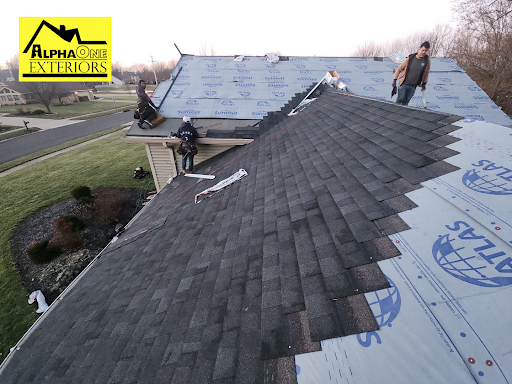
Before a new roof can go on, the old one usually needs to come off. That means labor, disposal fees, and sometimes unexpected repairs to the decking underneath.
A proper tear off includes:
- Removing all layers of old shingles
- Inspecting for damaged wood
- Replacing rotten or soft decking
- Hauling and disposing of debris
This is especially important in Dayton, where past winters and storms may have caused hidden water damage. Skipping this step to save money can lead to serious problems down the road.
3. Underlayment and Ice Barrier Installation
What goes beneath your shingles is critical for protecting your home.
In Ohio’s freeze and thaw cycles, underlayment matters just as much as the outer layer. A quality roof includes water resistant barriers that shield your home from ice dams and wind driven rain.
Key components that add cost:
- Synthetic or felt underlayment
- Ice and water shield near eaves and valleys
- Drip edge and flashing around edges and openings
These materials help prevent water intrusion, which is a major concern in our region, especially during spring storms or heavy snow melts.
4. Ventilation and Attic Airflow
Poor roof ventilation can shorten the lifespan of your roof and raise your energy bills.
Proper ventilation allows air to circulate through your attic, which prevents moisture buildup and regulates temperature. Without it, your roof can overheat in summer and trap moisture in winter.
Roof ventilation upgrades may include:
- Ridge vents or box vents
- Soffit vents
- Baffles to prevent insulation blockage
- Fan-assisted systems in complex homes
If a contractor does not address your attic ventilation, that is a red flag. In Dayton homes built before 1980, ventilation is often inadequate and needs updating during a roof replacement.
5. Type of Roofing System
Roof pricing is about the entire system, not just the shingles.
Some quotes may include only the basics, while others cover a full roofing system with upgraded components. That difference alone can create thousands of dollars in price variance.
A complete roofing system includes:
- Starter shingles
- Ice and water barrier
- Synthetic underlayment
- Architectural or impact rated shingles
- Proper flashing
- Ridge caps and vents
At AlphaOne Exteriors, we always explain which components are included so homeowners can make a true apples to apples comparison.
6. Labor Quality and Crew Experience
Experienced crews may cost more, but they do the job right the first time.
A big part of roofing costs comes from labor. And not all labor is the same. Some contractors use temporary or untrained crews to lower costs. Others invest in skilled, insured workers who follow manufacturer guidelines.
Signs of a high quality roofing crew:
- Proper safety practices
- Consistent installation methods
- Manufacturer certifications
- Clean, organized worksite
- Detailed inspections after completion
In Dayton’s unpredictable weather, a rushed or sloppy installation can lead to early roof failure especially during heavy rain or snow.
7. Waste Removal and Site Cleanup
Hauling away debris and leaving your property clean is part of the job.
Roofing generates a lot of waste. Shingles, nails, flashing, and underlayment all need to be removed and disposed of properly. Quality contractors include cleanup and disposal in the quote.
What cleanup should include:
- Magnetic sweep for nails
- Proper dumpster placement and removal
- Protection for landscaping and driveways
- Full site inspection after completion
This part may seem small, but it adds time and labor to the overall cost. It also makes a big difference in your final experience as a homeowner.
8. Warranties and Long Term Protection
Stronger warranties reflect better materials and better workmanship.
Warranties may not seem like a cost factor, but they are built into the pricing. A longer and more inclusive warranty typically comes from certified installers using higher grade products.
There are two types of warranties:
- Manufacturer warranty on shingles and materials
- Workmanship warranty on labor and installation
At AlphaOne Exteriors, we offer both. This ensures your roof is protected against defects and installation errors, which is especially important with Ohio’s year round weather swings.
9. Contractor Reputation and Business Practices
A well established company may charge more but offers greater peace of mind.
Reliable roofing contractors invest in things you may not see: insurance, office support, training, local partnerships, and warranty programs. Those business practices come with cost, but also protect you in the long run.
Watch out for:
- No business address
- No written contract or warranty
- Poor online reviews or no track record
- No insurance proof
In Dayton, storm chasing contractors sometimes show up after major weather events offering low bids. Be cautious, cheap upfront can cost you more in repairs or legal issues later.
How to Understand Your Roof Quote Better
To make an informed decision, ask your contractor:
- Is tear off included?
- What brand and grade of shingles are quoted?
- Are underlayment and flashing included?
- Will you inspect the decking underneath?
- How will ventilation be handled?
- What warranties come with the job?
A detailed, clear quote shows the contractor is confident in their work and honest about their pricing.
Final Thoughts
When it comes to roof pricing in Dayton, shingles are only part of the story. The true cost of your new roof depends on everything that supports those shingles structure, weather protection, ventilation, labor, and warranty.
At AlphaOne Exteriors, we help homeowners throughout the Dayton region understand every detail of their roof estimate. We focus on long lasting systems built for Ohio’s unique climate conditions, from icy winters to spring storms.
Need Help Understanding a Roof Quote?
If you’re planning a roof replacement or comparing estimates, contact AlphaOne Exteriors for a professional roof inspection and detailed quote. We’ll walk you through exactly what you’re paying for and why it matters.
Frequently Asked Questions About Roof Pricing in Dayton
While many homeowners assume shingles are the biggest cost factor, roof size, pitch, and complexity usually have a greater impact. Steeper roofs, multiple angles, chimneys, and dormers all increase labor time and safety requirements, which directly affects pricing.
Yes. A full tear off allows contractors to inspect the roof decking for hidden water damage or rot. Skipping tear off to save money can lead to structural issues, leaks, and shorter roof lifespan. In Dayton’s freeze and thaw climate, proper removal is especially important.
Upgrading or correcting attic ventilation adds materials and labor, but it protects your roof from premature aging, moisture damage, and high energy bills. Many homes built before 1980 in the Dayton area require ventilation improvements during roof replacement.
Price differences usually come down to what’s included in the roofing system. Some quotes only cover basic shingles, while others include ice barriers, synthetic underlayment, upgraded ventilation, flashing, cleanup, and stronger warranties. Always compare estimates line by line.
In most cases, yes. Certified contractors often provide better workmanship, stronger manufacturer warranties, and follow strict installation standards. This can prevent costly repairs and give you long term peace of mind.
A professionally installed architectural shingle roof with proper ventilation and underlayment can last 20 to 30 years or more, depending on weather exposure and maintenance.
It can. Storm damage may reveal decking issues, flashing damage, or structural concerns that need repair before new materials are installed. A thorough inspection will identify these factors before work begins.
Insurance may cover roof replacement if damage is caused by a covered event like hail or wind. However, normal wear and tear is not typically covered. It’s best to have a professional inspection to determine eligibility.
A clear estimate should outline tear off work, materials used, underlayment type, ventilation plans, flashing details, warranty coverage, and cleanup procedures. Transparency is a sign of a trustworthy contractor.