
If you are searching for exterior painting in the Dayton area, you have probably noticed that some painting quotes seem dramatically cheaper than others. At first glance, saving a few thousand dollars can feel like the smart move. But after years of working on homes throughout Dayton, Kettering, Centerville, Beavercreek, Oakwood, Springboro, Xenia, and Fairborn, we can tell you there is usually a reason those bids are so low.
Unfortunately, many homeowners discover the truth only after the paint begins peeling, fading, bubbling, or cracking within just a few years.
At AlphaOne Exteriors, we regularly repaint homes that were painted far too recently because the original contractor cut corners on preparation, materials, labor, or application techniques. Ohio weather is extremely demanding on exterior surfaces, and cheap paint jobs are rarely built to survive it.
This guide explains:
- Why cheap exterior paint jobs fail so quickly in Ohio
- What low-cost painters commonly skip
- How Ohio’s climate affects paint performance
- What a quality exterior painting project should include
- How homeowners can avoid expensive repainting mistakes
Ohio Weather Is Tough on Exterior Paint
Ohio presents one of the harshest environments for exterior coatings in the Midwest. Paint must endure:
- Freeze-thaw cycles
- Heavy rain
- High humidity
- UV exposure
- Wind-driven moisture
- Large temperature swings
Short answer: Cheap paint products and rushed applications usually cannot handle Ohio’s climate long term.
Freeze-Thaw Cycles Cause Paint Failure
Dayton area homes experience repeated freeze-thaw cycles every winter. Moisture enters small cracks around siding, trim, and wood surfaces. When temperatures drop, that moisture freezes and expands. As temperatures rise again, materials contract.
This constant movement stresses exterior paint.
Higher-quality paints contain flexible acrylic binders designed to expand and contract with the surface. Cheap paint becomes brittle faster, causing:
- Cracking
- Peeling
- Loss of adhesion
- Early surface breakdown
Humidity and Rain Create Moisture Problems
Ohio summers bring prolonged humidity and heavy storms. Moisture trapped behind paint is one of the leading causes of:
- Bubbling
- Blistering
- Peeling
- Wood rot
Cheap paint jobs often fail because:
- surfaces were not dry enough before painting
- primer was skipped
- paint was applied too heavily or too thinly
- low-grade products could not properly manage moisture vapor
Homes surrounded by mature trees in neighborhoods like Oakwood and older sections of Centerville often experience even greater moisture retention and shade-related paint deterioration.
UV Exposure Breaks Down Cheap Paint Faster
South and west-facing walls receive intense afternoon sun exposure throughout Ohio summers.
Low-quality paints use weaker pigments and binders that degrade quickly under UV light. This often leads to:
- uneven fading
- chalking
- color loss
- thinning paint film
You will often notice this first as a powdery residue on the siding surface.
Premium exterior coatings maintain color stability and protective performance significantly longer.
The Real Cost of Cheap Exterior Painting
Most homeowners throughout the Dayton area invest somewhere between $5,000 and $10,000 for a professional full exterior painting project depending on:
- home size
- siding type
- trim complexity
- preparation needs
- paint products used
When quotes come in dramatically below that range, something is almost always being removed from the process.
Usually:
- preparation
- primer
- labor quality
- paint quality
- number of coats
A cheap paint job may look acceptable for the first season. Then winter arrives.
Within one or two years, many homeowners begin seeing:
- peeling edges
- cracking trim
- fading walls
- bubbling paint
- exposed wood
- moisture damage
At that point, the house often requires:
- repainting
- wood replacement
- additional prep
- moisture repairs
What initially looked cheaper becomes far more expensive. To learn more about the cost of painting your home read our article titled, “How Much Does Exterior House Painting Cost in Dayton, Ohio?“
What Cheap Painters Usually Skip
Surface Preparation
The biggest difference between a quality paint job and a failing one usually happens before painting even begins.
Short answer: Surface preparation determines whether paint lasts two years or ten.
A professional prep process typically includes:
- power washing
- mildew removal
- scraping loose paint
- sanding rough transitions
- moisture inspection
- caulking joints and gaps
- priming exposed surfaces
Cheap contractors frequently skip or rush these steps to reduce labor costs.
Cleaning the Surface Properly
Ohio homes collect:
- dirt
- pollen
- chalking residue
- mildew
- airborne contaminants
Painting over dirty surfaces prevents proper adhesion.
New paint may initially stick, but over time it begins separating from the contaminated layer underneath.
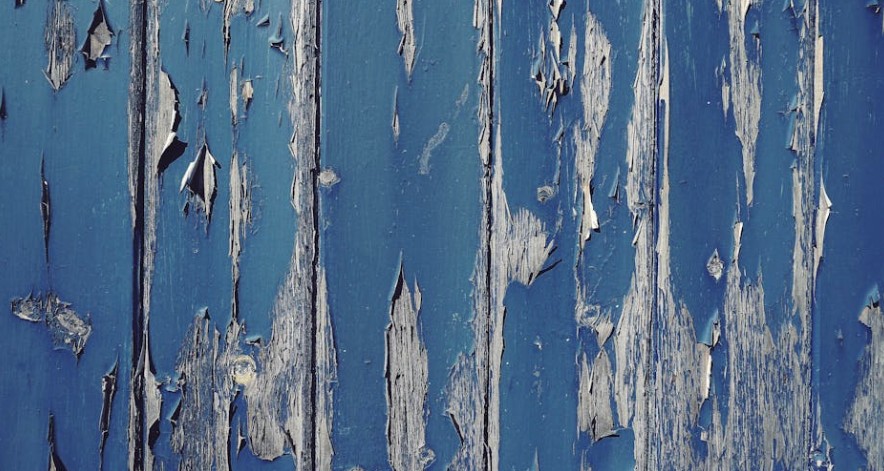
Scraping and Sanding Failing Paint
Loose paint must be removed properly.
Painting directly over peeling or unstable coatings only hides the problem temporarily. Eventually, the new coating fails along with the old one beneath it.
Professional painters spend significant time:
- scraping edges
- feather sanding transitions
- stabilizing surfaces
- identifying hidden deterioration
Checking for Moisture Damage
Professional painters inspect for:
- soft wood
- hidden rot
- excessive moisture
- failed caulking
- water intrusion points
Cheap crews often paint directly over these problems.
That traps moisture behind the coating and accelerates failure dramatically.
Why Primer Matters in Ohio
Primer is not optional on many exterior painting projects.
Short answer: Primer creates the bond that allows exterior paint to survive Ohio weather.
Primer helps:
- seal porous materials
- improve adhesion
- block stains
- stabilize surfaces
- reduce moisture penetration
This is especially important for:
- bare wood
- repaired areas
- peeling surfaces
- cedar and redwood
- older homes
Skipping primer may reduce upfront cost, but it often cuts paint lifespan in half.
One Coat Paint Jobs Usually Fail Faster
Many low-cost painters apply only one thin coat of paint.
Exterior coatings are designed to work as a complete system with proper film thickness.
Two properly applied coats provide:
- better UV resistance
- improved moisture protection
- longer color retention
- greater flexibility
- more consistent coverage
One thin coat rarely provides enough protection for Ohio conditions. To learn more about how many coats of paint to use read our article titled, “How Many Coats of Paint Should You Put on an Exterior House?“
Fast Exterior Paint Jobs Are a Red Flag
Speed is often marketed as a benefit, but rushed exterior painting is usually a warning sign.
Proper painting requires drying and curing time between steps.
Humidity throughout Ohio slows drying significantly. Applying coatings too quickly can trap moisture beneath the surface, leading to:
- bubbling
- adhesion failure
- premature peeling
A quality contractor schedules work around:
- weather
- humidity
- surface temperature
- rain windows
- curing conditions
Cheap painters usually do not.
How to Spot a Cheap Exterior Painting Bid in Dayton
Some warning signs homeowners should watch for include:
Vague Scopes of Work
If the estimate does not clearly mention:
- prep work
- primer
- paint brand
- number of coats
- caulking
- sanding
that is a major red flag.
Extremely Low Pricing
If one quote is thousands lower than others, ask exactly what is missing.
Cheap bids often exclude:
- proper prep
- premium materials
- experienced labor
- warranties
No Written Warranty
Professional contractors typically provide workmanship warranties.
Cheap painters often provide:
- no warranty
- vague promises
- verbal guarantees only
At AlphaOne Exteriors all of our paint jobs get a warranty. Learn more about our warranty – AlphaOne Advantage Workmanship Warranty
Full Payment Requested Upfront
Quality contractors usually structure payments around project milestones.
Large upfront cash-only requests can signal serious problems.
What a Quality Exterior Paint Job Should Include
A professional exterior painting project in Ohio should typically include:
- Full exterior washing
- Proper drying time
- Scraping and sanding failing paint
- Caulking windows, doors, and trim joints
- Priming exposed materials
- Two coats of premium exterior paint
- Weather-conscious scheduling
- Final walkthrough and inspection
Professional-grade paints from manufacturers like:
generally perform significantly better in Midwest climates than builder-grade coatings.
DIY vs Professional Exterior Painting
Many homeowners consider painting themselves to save money.
For smaller projects, this can make sense.
However, full exterior painting projects involve:
- ladders
- safety risks
- moisture evaluation
- prep expertise
- weather timing
- specialized products
- equipment
Most DIY failures happen because of:
- inadequate preparation
- improper surface diagnosis
- poor product selection
- incorrect application conditions
Fixing a failed paint job usually costs more than doing it correctly the first time.
Questions to Ask Before Hiring an Exterior Painter
Before hiring any painting contractor in Dayton or surrounding communities, ask:
- What preparation is included?
- Is primer included where needed?
- What brand and grade of paint will be used?
- How many coats are included?
- Do you provide a workmanship warranty?
- Can you provide proof of insurance?
- How do you handle weather delays?
- Can you provide recent local references?
A professional contractor should answer these clearly and confidently.
Why Professional Exterior Painting Saves Money Long Term
Quality exterior painting is not just cosmetic.
It protects:
- siding
- trim
- wood surfaces
- moisture barriers
- structural components
Short answer: Doing the job correctly once is almost always cheaper than repainting early.
A properly executed paint job can often last:
- 8–12 years on many homes
- sometimes longer depending on exposure and materials
Cheap jobs often begin failing within:
- 1–3 years
What AlphaOne Exteriors Does Differently
At AlphaOne Exteriors, we approach exterior painting with Ohio’s climate in mind.
Our process focuses heavily on:
- preparation
- moisture management
- premium materials
- long-term durability
We understand how Midwest weather affects:
- wood siding
- vinyl
- fiber cement
- trim systems
- caulking
- coatings
Our team serves homeowners throughout:
- Dayton
- Kettering
- Centerville
- Beavercreek
- Oakwood
- Springboro
- Xenia
- Fairborn
with transparent recommendations and honest evaluations based on what the home actually needs.
Final Thoughts
Cheap exterior paint jobs often fail because corners were cut in:
- preparation
- materials
- labor
- moisture control
- application methods
In Ohio’s climate, those shortcuts rarely stay hidden for long.
What initially looks like savings often leads to:
- premature repainting
- wood repairs
- moisture damage
- frustration
- higher long-term costs
A properly executed exterior painting project protects both the appearance and integrity of your home for years to come.
If you are considering repainting your home or want an honest evaluation of your current exterior condition, AlphaOne Exteriors is happy to help.
Frequently Asked Questions
Most professionally applied exterior paint jobs last approximately 8–12 years depending on sun exposure, materials, moisture conditions, and maintenance.
Yes. Higher-quality paint provides better UV resistance, flexibility, moisture protection, and color retention.
No. Loose or failing paint should be scraped and stabilized first or the new coating will fail prematurely.
Absolutely. High humidity slows drying and can trap moisture behind coatings if paint is applied improperly.
Late spring through early fall typically offers the best painting conditions with moderate temperatures and lower moisture levels.
If the estimate lacks detailed prep work, primer, warranty information, or premium materials, the contractor may be cutting corners.
Yes, especially on bare wood, repaired areas, peeling surfaces, and older homes.
Most professional exterior painting systems require two full finish coats for proper durability and protection.