

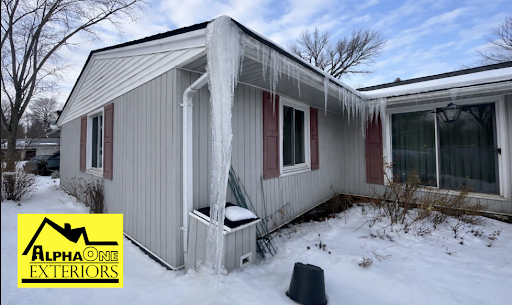
Why Winter Puts Your Roof to the Test
Ohio Winters and Your Roof: A Harsh Combination
Here in Dayton and across the Miami Valley, winter isn’t just cold, it’s unpredictable. We get everything from heavy snow to freezing rain and brutal windstorms. All that puts a serious strain on your roof. As experienced local contractors, we see how the seasonal stress can weaken roofing systems in ways that aren’t always visible right away.
The Freeze-Thaw Cycle: What It Means for Your Shingles
One of the biggest threats in our region is the freeze-thaw cycle. Temperatures in Ohio often swing above and below freezing in a single day. When melted snow refreezes overnight, it expands inside small cracks or gaps. Over time, this repeated process can cause shingles to shift, crack, or come loose, setting the stage for bigger issues.
What Are the Most Common Winter Roofing Problems?
Winter roofing issues tend to fall into a few predictable categories. Here are the top three we see most often in Dayton and surrounding areas.
1. Damaged or Loose Flashing
What is Roof Flashing and Why It Matters
Flashing is the thin metal material that seals roof transitions and penetrations, like around chimneys, vents, and skylights. It also runs along roof valleys and edges. Its main job is to keep water from sneaking under your shingles.
How Winter Storms Can Damage Flashing
Strong winds, blowing snow, and heavy ice can lift or bend flashing, especially if it was already slightly loose or aged. Once that seal is broken, moisture can get underneath and in winter, that means ice, which expands and worsens the gap.
Signs Your Flashing May Be Failing
- Visible metal pieces sticking out or curling
- Rust or staining near chimneys or vent pipes
- Water stains on ceilings near outer walls
- Ice forming where it shouldn’t
2. Ice Dams
What Causes Ice Dams on a Roof
Ice dams form when the upper part of your roof is warm enough to melt snow, but the eaves (roof edges) remain cold. Meltwater flows down the roof, hits the cold edge, and refreezes. This creates a “dam” that prevents water from draining properly.
Why Ice Dams Are More Than Just an Ice Problem
Water backs up behind the dam and can seep under shingles. From there, it may find its way into your attic, insulation, or walls. This often leads to mold, rot, and interior ceiling damage.
Long-Term Damage Ice Dams Can Cause
- Warped roof decking
- Insulation damage
- Interior leaks and drywall cracks
- Mold growth in attics
3. Tree Limb Damage
Why Tree Branches Are a Winter Threat
Winter storms often bring heavy winds and icy buildup on trees. This extra weight can cause overhanging limbs to snap and fall onto your roof.
Snow and Ice Increase the Risk of Falling Limbs
Even healthy trees can drop branches under enough weight. When snow builds up or freezing rain coats the branches, a single crack can bring down hundreds of pounds of pressure onto your shingles.
Preventing Roof Damage from Nearby Trees
- Trim back branches that hang over the roof before winter
- Watch for dead limbs or leaning trunks near your home
- Clear fallen branches immediately after storms
How to Spot These Issues Early
Quick Visual Checks You Can Do from the Ground
You don’t have to climb a ladder to spot trouble. After a storm, walk around your home and look for:
- Shingles on the ground
- Icicles forming behind gutters
- Sagging or detached gutters
- Tree limbs resting on the roof
When to Call in a Professional Roofing Contractor
If you see signs of damage or aren’t sure what you’re looking at, it’s always safer to call a local roofing expert. At AlphaOne Exteriors, we’re trained to spot issues early and prevent bigger repairs down the road.
Dayton Ohio Winter Roofing Challenges
Unique Risks Homeowners Face in the Miami Valley
Dayton homes often experience a mix of lake effect storms and temperature swings from southern weather fronts. That unpredictability increases your roof’s exposure to repeated freeze-thaw cycles, moisture buildup, and wind-driven damage.
How Local Climate Affects Roofing Materials and Maintenance
Not all roofing materials hold up the same in Ohio weather. Asphalt shingles, for example, can become brittle in the cold. That’s why local expertise matters! We know what works best here and how to spot early signs of trouble.
How to Prevent Common Winter Roofing Problems
Improve Attic Insulation and Ventilation
Good insulation keeps heat in your home and off the roof, while proper ventilation prevents moisture buildup. Together, they reduce the chances of ice dams and mold.
Keep Gutters Clean and Flowing Before Snowfall
Clogged gutters can’t drain snowmelt. Clean them out before winter hits and consider adding gutter guards to reduce buildup.
Trim Tree Branches Near the Roofline
Prevent damage before it happens by cutting back overhanging limbs. Late fall is usually the best time to prune.
Should You Repair a Roof in the Winter?
When Winter Roof Repairs Are Possible
Yes, roofing work can be done in winter, especially small or emergency repairs. Our crews are trained to work safely in cold conditions and use materials suited for lower temperatures.
The Importance of Quick Action to Minimize Damage
Waiting until spring can make problems worse. A small leak in December can turn into major water damage by March. If you suspect an issue, get it checked now.
How AlphaOne Exteriors Can Help
Trusted Local Roofing Experts in Dayton OH
With years of experience handling winter roofing issues in the Dayton area, we understand the unique demands of Ohio’s climate. We don’t just show up, we show up prepared.
Winter Roof Inspections and Emergency Repairs
Whether it’s flashing damage, an ice dam, or a fallen branch, our team can quickly assess the issue and recommend a solution that works for your budget and your home.
Why Homeowners Count on AlphaOne Year Round
From Kettering to Beavercreek, and Oakwood to Xenia, homeowners trust AlphaOne Exteriors for honest assessments, dependable workmanship, and quality materials that last through Ohio’s toughest winters.
Conclusion
Winter weather in Dayton can be unforgiving on your roof. From hidden leaks caused by ice dams to flashing pulled loose by high winds, small issues can quickly turn into big, expensive problems. The good news? Many of these problems can be spotted early or even prevented with a bit of maintenance and professional insight.
If you’ve noticed anything unusual after a recent storm or just want peace of mind heading into the season, don’t hesitate to reach out. AlphaOne Exteriors is here to help with inspections, repairs, and the kind of expert advice only a local contractor can offer.
Frequently Asked Questions
How do I know if I have an ice dam?
Look for icicles forming along the roof edge and signs of water leaking inside near exterior walls. Ice dams often appear after heavy snow followed by a brief thaw.
Can roof work be done in freezing temperatures?
Yes, but it depends on the type of work and materials. Small repairs are often doable, and we use winter-ready tools and techniques.
Should I remove snow from my roof?
Light snow is usually safe, but if you see heavy buildup or notice sagging, call a professional. Avoid climbing on the roof yourself in winter.
How often should I inspect my roof in the winter?
After every major storm is a good rule. You can do a ground-level check, but a professional inspection once a year is ideal.
What areas around Dayton are most affected by winter roof issues?
Neighborhoods with older homes and mature trees like Oakwood, Kettering, and parts of Centerville tend to see more winter roofing problems due to aging materials and nearby branches.