

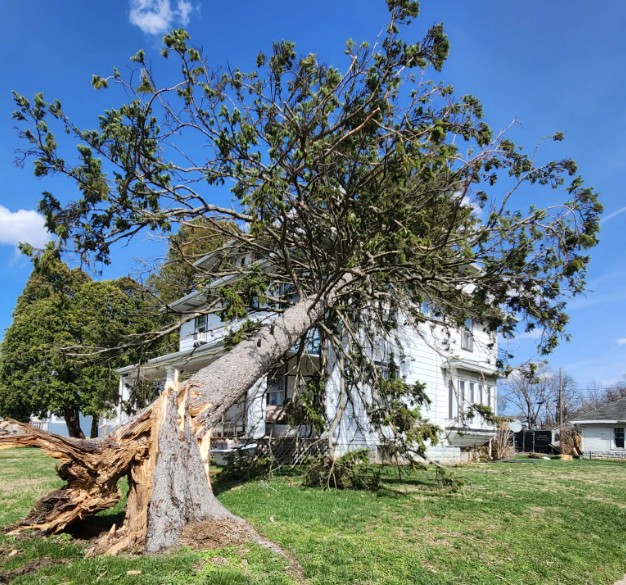
March 13, 2026 brought powerful winds across Dayton and the entire Miami Valley. Throughout the afternoon, residents experienced sustained strong winds with gusts powerful enough to cause property damage, power outages, and widespread concern among homeowners.
According to local reports:
“DAYTON, OH — Today was a very windy day across the Miami Valley. The Dayton International Airport recorded a gust to 77MPH earlier this afternoon. Across the state, Cleveland recorded a gust of 85MPH, and Van Wert clocked a gust at 77MPH. Frequent wind gusts exceeded 60MPH for much of the afternoon.”
Source: WHIO TV
At the same time, the region began experiencing widespread outages.
“MIAMI VALLEY, Ohio (WKEF) Outages continue to climb as the wind moves through the Miami Valley. As of 3:40 p.m., 60,000 customers were reported to be without electricity. The National Weather Service continues to report high wind gusts ranging from 50 to 60 mph, with some gusts up to 70 mph.”
Source: Dayton 24/7 Now
Events like this are not just inconvenient. For homes in Dayton, Kettering, Beavercreek, Centerville, and surrounding communities, wind gusts above 60 MPH can create serious exterior damage.
As a local roofing contractor in Dayton, Ohio, we often see the effects of these wind events in the hours and days that follow.
What Happened in Dayton During Today’s Wind Event
Reported Wind Speeds Across the Miami Valley
Wind gusts across the region were extremely strong today.
Key measurements included:
- Dayton International Airport recorded a gust of 77 MPH
- Frequent gusts across the region exceeded 60 MPH
- Other Ohio cities saw gusts above 80 MPH
Winds at this strength are capable of lifting roofing materials, loosening siding panels, and tearing off gutter sections.
For reference, many asphalt shingle roofs begin to experience damage when gusts reach 60 MPH or higher, especially if the roof has any age or existing wear.
Power Outages and Regional Impact
Wind events like this often lead to falling branches and power line damage.
At one point this afternoon:
- Around 60,000 customers in the Miami Valley were without power
Falling limbs and debris during storms also increase the chance of impact damage to roofs, siding, and gutters.
What Wind Speeds of 60 to 77 MPH Can Do to Your Roof
Wind speeds above 60 MPH can create uplift forces strong enough to pull shingles loose from the roof deck.
Once wind gets under a shingle edge, it can peel it back and break the adhesive seal that keeps it secured.
At that point several things can happen:
- Shingles may crease or crack
- Entire shingles can blow off the roof
- Nail lines become exposed
- Water can enter during the next rain
Even if shingles do not immediately fly off, broken seal strips can leave the roof vulnerable to future storms.
Common Roof Damage Contractors See After Wind Storms
After wind events in the Dayton area, contractors typically see several types of roof damage.
Lifted or Missing Shingles
This is the most obvious type of wind damage.
Strong gusts can lift shingles and completely remove them from the roof. Missing shingles expose the underlayment and roof decking to moisture.
Broken Roof Seal Strips
Shingles are designed with adhesive strips that bond them together once installed.
High winds can break these seals even if the shingles remain in place. Once the seal is broken, the shingle becomes easier to lift during the next storm.
Exposed Nail Lines and Water Entry Points
When shingles shift or lift, nail heads can become exposed.
These areas are vulnerable to rain penetration and can eventually lead to attic leaks.
Siding Damage Caused by High Winds
Roof damage often gets the most attention, but siding systems can also suffer during wind events.
Loose or Warped Vinyl Panels
Vinyl siding is designed to move slightly with temperature changes. However, strong winds can push panels beyond their intended range.
This can lead to:
- Loose siding panels
- Panels that appear wavy or bowed
- Sections pulling away from the wall
Trim and Corner Pieces Pulling Away
High winds can catch edges of trim pieces and corner posts. Once loosened, these components may allow moisture behind the siding.
Gutter and Downspout Damage from Wind Events
Gutters can also be affected by strong winds and flying debris.
Common issues include:
- Gutters pulling away from fascia boards
- Downspouts becoming detached
- Sections bending due to falling branches
When gutters fail, water management around the home becomes compromised.
This can lead to foundation issues and basement moisture problems if not corrected.
Hidden Damage Homeowners Often Miss
Not all storm damage is visible from the ground.
Small Roof Leaks That Appear Weeks Later
A roof may look fine immediately after a wind storm. However, lifted shingles or broken seals may allow slow water intrusion over time.
Homeowners sometimes notice the first signs weeks later, such as:
- Ceiling stains
- Damp attic insulation
- Musty odors
Debris Impact from Branches
Branches and debris can strike roofs and siding during strong winds.
Even small impacts can crack shingles or dent siding panels.
Signs Homeowners Should Look for After Today’s Storm
After a wind event like today, homeowners should take a few minutes to inspect their property safely from the ground.
What to Check From the Ground
Look for:
- Shingles in the yard
- Roofing debris near downspouts
- Pieces of siding or trim on the ground
Exterior Areas to Walk Around and Inspect
Walk around the home and check for:
- Loose siding panels
- Bent gutters
- Detached downspouts
- Debris on the roof
Avoid climbing on the roof yourself. Many roofing injuries occur during homeowner inspections after storms.
What To Do If You Suspect Wind Damage
If you notice possible damage, taking a few simple steps can help prevent larger problems.
Step 1 Document What You See
Take photos of any visible damage or debris around your property.
This documentation can be helpful if repairs or insurance claims become necessary.
Step 2 Prevent Water Intrusion
If you see areas where water may enter, such as missing shingles or detached flashing, temporary protection may be needed until repairs are made.
Step 3 Schedule a Professional Inspection
A professional inspection can identify issues that are not visible from the ground.
Contractors typically check:
- Shingle seal integrity
- Flashing around chimneys and vents
- Ridge and hip areas
- Siding and trim connections
Why Professional Roof Inspections Matter After High Wind Events
Many forms of wind damage are subtle.
A roof may appear intact while hidden problems exist that could lead to leaks later.
Professional inspections help identify:
- Lifted shingles
- Creased shingles
- Broken adhesive seals
- Flashing movement
Catching these issues early can prevent costly water damage inside the home.
When to Call a Local Exterior Contractor
You should consider calling a contractor if you notice:
- Missing or lifted shingles
- Pieces of siding on the ground
- Gutters pulling away from the house
- Interior ceiling stains after the storm
Even if damage appears minor, an inspection can provide peace of mind.
How AlphaOne Exteriors Helps Dayton Homeowners After Storms
At AlphaOne Exteriors, we work with homeowners throughout Dayton, Kettering, Centerville, Beavercreek, Oakwood, Springboro, Xenia, and Fairborn.
After strong wind events like today, our team provides:
- Exterior inspections
- Roof damage evaluations
- Siding and gutter assessments
- Roof repair and roof replacement recommendations
Because we work in the Dayton area every day, we understand how Midwest weather impacts local homes.
Conclusion
The March 13, 2026 wind event brought powerful gusts across Dayton and the Miami Valley, with recorded winds reaching 77 MPH and thousands of homes losing power throughout the region.
Storms like this can create damage that is obvious, such as missing shingles, or hidden, such as broken shingle seals that lead to leaks later.
Taking a few minutes to check your property after a high wind event is an important step in protecting your home.
If you suspect damage or simply want the peace of mind that your roof and exterior are still in good condition, a professional inspection can help identify problems early before they become costly repairs.
Homeowners in Dayton and surrounding communities can contact AlphaOne Exteriors for a professional evaluation and guidance on the best next steps for protecting their home.
FAQs
Wind gusts reached approximately 77 MPH at Dayton International Airport, with frequent gusts above 60 MPH throughout the Miami Valley.
Yes. Winds above 60 MPH can lift shingles, break adhesive seals, and sometimes remove shingles entirely, especially on older roofs.
It is best to check your property within a day or two after the storm by walking around your home and looking for debris or visible damage.
Common signs include missing shingles, loose siding panels, bent gutters, and roofing debris in the yard.
If your area experienced strong wind gusts above 60 MPH, a professional inspection can help detect hidden issues before they turn into leaks.