
Why Does Exterior Paint Peel on Homes in Ohio?
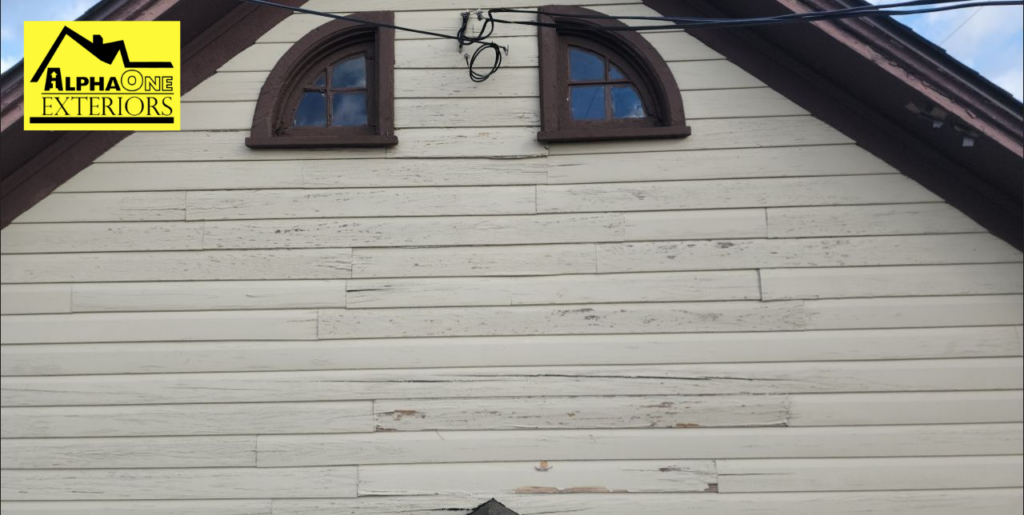
Exterior paint usually peels because of moisture, poor surface preparation, or low quality materials. In Southwest Ohio, weather plays a major role. Freeze thaw cycles, humidity, and heavy storms all put stress on painted surfaces.
At AlphaOne Exteriors, we regularly inspect homes in Dayton, Kettering, Centerville, and across the Miami Valley where paint failure has occurred much earlier than expected. In most cases, peeling paint is not just cosmetic. It is a sign that something underneath needs attention.
Understanding why paint fails can help you prevent costly repairs and extend the life of your exterior.
What Are the Most Common Causes of Peeling Exterior Paint?
The most common causes include moisture intrusion, poor prep work, improper paint selection, and aging surfaces. Each of these issues can lead to paint separating from the surface of your home.
Let’s look at the most frequent reasons we see in the Dayton area.
1. Moisture Getting Behind the Paint
Moisture is the number one cause of peeling exterior paint. When water gets behind paint, it breaks the bond between the surface and the coating.
Common sources of moisture include:
- Leaking gutters or downspouts
- Poor attic ventilation
- Failed caulking around windows and doors
- Ice dams during winter
- Wood rot in trim or siding
In Ohio’s climate, snow and ice can sit on roof edges and siding for long periods. When temperatures rise and fall, that moisture expands and contracts. Over time, this causes paint to bubble and peel.
2. Poor Surface Preparation Before Painting
Paint will not stick properly if the surface is not prepared correctly. Skipping prep work is one of the most common reasons paint fails within a few years.
Proper prep should include:
- Pressure washing to remove dirt and mildew
- Scraping loose or peeling paint
- Sanding rough surfaces
- Caulking gaps and joints
- Priming bare wood or repaired areas
If new paint is applied over chalky or peeling surfaces, it will not bond well. This leads to premature failure, especially during Dayton’s humid summers and wet springs.
3. Low Quality Paint or Materials
Cheap or incorrect paint can fail quickly when exposed to Midwest weather. Budget paint often lacks the flexibility and durability needed to expand and contract with temperature changes.
High quality exterior paint should offer:
- Strong adhesion to siding and trim
- Resistance to moisture and mildew
- Flexibility during freeze thaw cycles
- UV protection to prevent fading and cracking
Using interior paint or the wrong type of exterior paint on vinyl, aluminum, or wood siding will also lead to early peeling.
4. Painting Over Damaged Wood or Siding
Paint cannot fix rotted or damaged surfaces. If wood siding or trim is soft, cracked, or deteriorating, the paint will not hold.
We often see this in older Dayton homes where:
- Fascia boards have hidden rot
- Window trim absorbs moisture
- Siding has small cracks or splits
- Previous paint has built up in thick layers
Before painting, damaged wood must be repaired or replaced. Otherwise, the new finish will fail quickly.
5. Incorrect Painting Conditions
Weather conditions during application matter more than most homeowners realize. Painting in the wrong temperature or humidity can cause paint to fail early.
Avoid painting when:
- Temperatures are too cold
- Surfaces are damp from rain or dew
- Humidity is extremely high
- Direct sunlight overheats the surface
In Southwest Ohio, spring and fall are ideal for exterior painting. Summer can also work, but timing and shade must be managed carefully.
6. Too Many Old Layers of Paint
Over time, multiple layers of old paint build up on siding. Eventually, the weight and thickness of these layers cause cracking and separation.
When this happens:
- New paint cannot bond properly
- Cracks form between layers
- Peeling spreads across large sections
In some cases, extensive scraping is needed before repainting. On older homes in areas like Oakwood or Fairborn, this step is especially important.
How Can You Tell If Your Exterior Paint Is Failing?
Look for these early warning signs:
- Bubbling or blistering paint
- Cracks or flaking on siding or trim
- Faded or chalky surfaces
- Exposed wood in certain areas
- Mold or mildew staining
- Peeling near gutters or rooflines
Catching these issues early can prevent more extensive repairs later.
How Can You Prevent Exterior Paint from Peeling?
Preventing paint failure starts with proper preparation and maintenance. Here are key steps we recommend for homeowners in the Dayton area.
1. Fix Moisture Issues First
Before painting, address any water related problems:
- Clean and repair gutters
- Improve attic ventilation
- Replace damaged caulk
- Repair roof or flashing leaks
- Replace rotted wood
Paint should only be applied once surfaces are dry and sound.
2. Invest in Proper Surface Preparation
Preparation often takes as much time as painting itself. Skipping prep may save money upfront but leads to early repainting.
Quality prep includes:
- Thorough cleaning
- Scraping and sanding
- Priming exposed areas
- Sealing all joints and gaps
This ensures strong adhesion and long lasting results.
3. Use High Quality Exterior Paint
Premium exterior paint lasts longer and performs better in Ohio’s climate. It resists moisture, fading, and cracking during seasonal changes.
Two full coats are typically recommended for durability and even coverage.
4. Maintain Your Exterior Regularly
Routine maintenance helps paint last longer:
- Wash siding every year or two
- Inspect caulking and trim
- Keep gutters clear
- Touch up small problem areas early
Regular upkeep can extend the life of your paint by several years.
How Long Should Exterior Paint Last in Ohio?
Most professionally applied exterior paint lasts seven to ten years in Southwest Ohio. Homes with heavy sun exposure, moisture issues, or older wood siding may need repainting sooner.
A properly prepared and painted surface using quality materials will always last longer than a rushed or low cost paint job.
When Should You Call a Professional?
If peeling paint is widespread or keeps returning, it is time for a professional inspection. Ongoing paint failure often points to deeper issues such as moisture intrusion, ventilation problems, or deteriorating siding.
A professional evaluation can determine:
- Whether repainting is enough
- If repairs or siding replacement are needed
- What prep work will ensure long term results
Final Thoughts
Peeling exterior paint is more than just a cosmetic problem. It is often a warning sign of moisture, surface damage, or poor preparation. In Dayton’s challenging climate, addressing these issues early can prevent expensive repairs and protect your home’s exterior.
A properly prepared and professionally painted home not only looks better but also holds up to Ohio’s changing seasons.
Concerned About Peeling or Failing Exterior Paint?
If you are seeing peeling, bubbling, or fading on your home’s exterior, contact AlphaOne Exteriors for a professional inspection. We will identify the root cause, explain your options, and provide clear recommendations to help protect your home and avoid costly mistakes.
Frequently Asked Questions About Peeling Exterior Paint
Yes, peeling paint is more than just a cosmetic issue. It often signals underlying moisture problems, wood rot, or poor surface preparation. If left untreated, it can lead to structural damage and more expensive repairs.
The cost depends on the extent of the damage. Minor scraping and repainting may cost a few hundred dollars, while extensive repairs involving wood replacement or moisture correction can cost significantly more. A professional inspection can provide an accurate estimate.
No. Painting over peeling or flaking paint will not solve the problem. The loose paint must be scraped off, the surface properly prepared, and any underlying issues addressed before applying new paint.
Common signs include bubbling paint, peeling near gutters or rooflines, mildew growth, soft wood, or recurring paint failure in the same area. Moisture is the leading cause of exterior paint problems in Ohio’s climate.
High-quality acrylic latex exterior paint performs best in Ohio. It offers flexibility for freeze-thaw cycles, strong adhesion, UV resistance, and protection against moisture and mildew.
When properly applied, exterior paint typically lasts 7 to 10 years in Southwest Ohio. Factors like sun exposure, siding material, and maintenance habits can impact longevity.
Spring and fall are usually ideal because temperatures are moderate and humidity levels are manageable. Summer can also work if surfaces are not overheated and rain is avoided.
In most cases, insurance does not cover peeling paint caused by age or poor maintenance. However, if paint failure is linked to a covered event like storm damage, some repairs may qualify.
Yes, regular pressure washing helps remove dirt, mold, and mildew that can weaken paint adhesion. However, it must be done carefully to avoid forcing moisture behind siding.
If peeling is widespread, keeps coming back, or you suspect moisture or structural damage, it’s best to call a professional. They can identify the root cause and recommend the right long-term solution.